
The Best Children's Books from West Africa
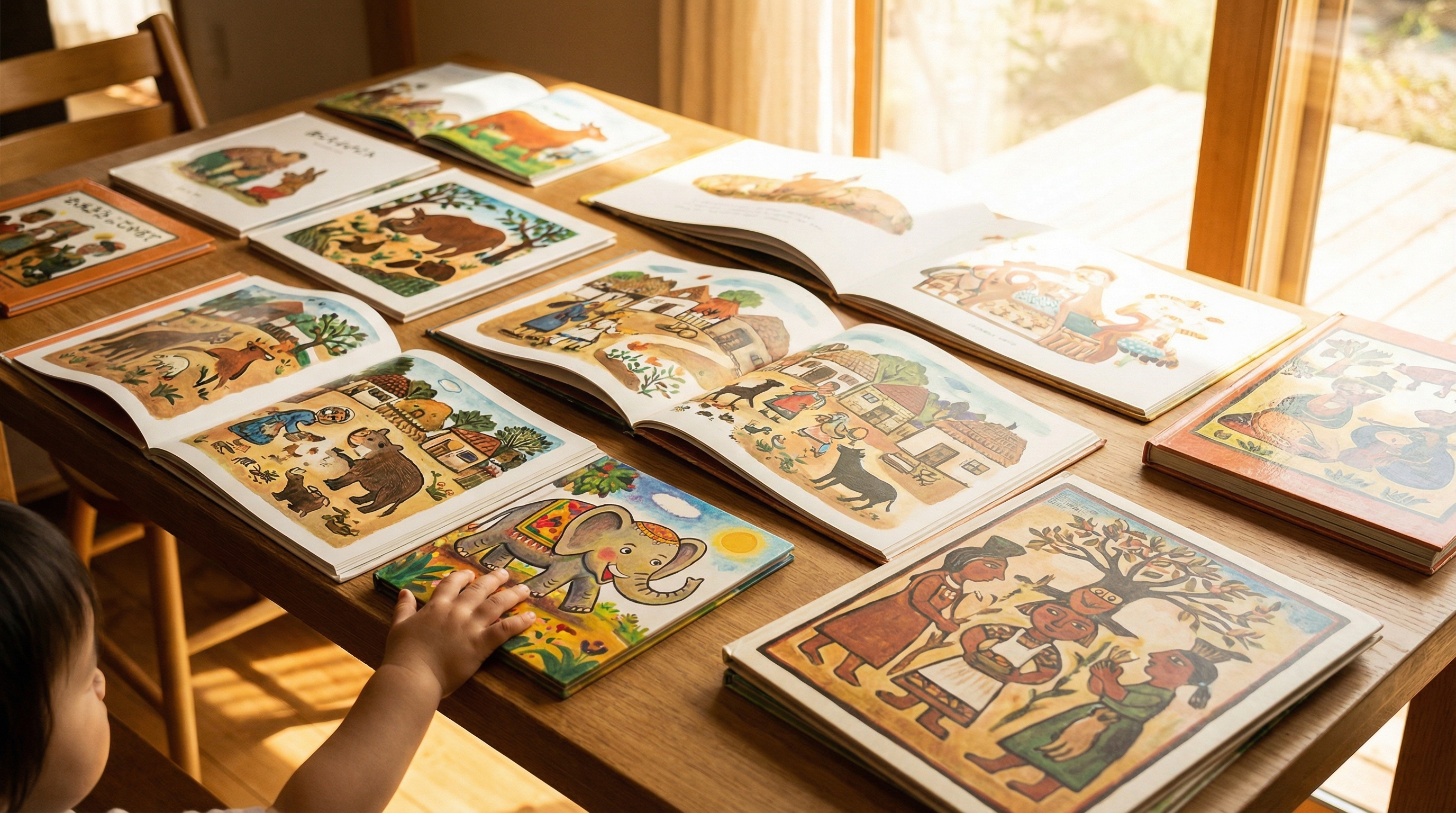
Children's literature from West Africa is one of the most joyful, inventive, and culturally rich bodies of work for young readers anywhere in the world. It draws on thousands of years of oral storytelling tradition, on the vivid colours and rhythms of West African daily life, and on the values -- community, respect for elders, cleverness, perseverance -- that have shaped the region's cultures for generations.
And yet, West African children's books remain far less widely known internationally than they deserve. Too many children grow up reading only books that reflect European or North American settings and values. This is a loss, not just for African children who deserve to see their own lives reflected in the books they read, but for all children who would benefit from encountering the warmth, wit, and wisdom of the West African storytelling tradition.
This list is a starting point. These books range from picture books for the very young to middle-grade novels for older readers. All of them are worth your child's time.
Picture Books
"Abena and the Rock" by Meshack Asare (Ghana)
Meshack Asare is one of Africa's most celebrated children's book illustrators and authors, and this story is a wonderful example of why. It follows a young girl who befriends a rock and learns lessons about patience and the natural world. Asare's illustrations are vibrant and alive, rooted in Ghanaian visual culture in ways that feel specific and genuine rather than generic "African."
"Anansi the Spider: A Tale from the Ashanti" adapted by Gerald McDermott
This Caldecott Honor picture book introduces young readers to Anansi, the trickster spider of Akan folklore, through the story of how the moon came to light the sky at night. McDermott's bold, geometric illustrations are inspired by traditional Akan textile design, and the storytelling moves with the energy and rhythm of oral performance. It is a perfect introduction to both Anansi and Akan visual culture.
"The Name of the Tree" retold by Celia Barker Lottridge (West African folktale)
This gentle, cumulative story from the savanna tells of a group of animals trying to remember the name of a tree so they can eat its fruit. It teaches the values of persistence and memory, and the repetitive structure is ideal for young readers learning to follow narrative patterns. The story exists in multiple versions across West Africa and is a genuine piece of the oral tradition.
"My Father's Arms Are a Boat" (West African theme)
Stories about the relationship between fathers and children are universal, but this particular picture book draws on the imagery and warmth of West African domestic life in ways that feel intimate and particular. The illustrations have the quality of a memory, golden and soft-edged.
Early Chapter Books
"The No. 1 Car Spotter" by Atinuke (Nigeria)
Atinuke is one of the most popular children's authors writing about African settings today, and this series is pure delight. Oluwalase Babatunde Benson -- "Oke" for short -- lives in a village in West Africa and is the best car spotter in the region, knowing every make and model of every vehicle that passes. The books are funny, warm, and rooted in the texture of contemporary West African village life. They are also genuine adventures. The series currently runs to several volumes and every one of them is worth reading.
"Africa, Amazing Africa: Country by Country" by Atinuke
For slightly older readers who are ready to learn more about the continent, this beautifully illustrated non-fiction book takes children through the countries of Africa with warmth and specificity, pushing back against the tendency to treat the continent as a single, undifferentiated mass. Atinuke's voice is as engaging in non-fiction as it is in her novels.
"Handa's Surprise" by Eileen Browne (Kenya, but relevant to West Africa)
While set in Kenya, this beloved picture book about a girl carrying fruit to her friend -- and the animals who help themselves along the way -- captures the sensory richness of East African outdoor life in ways that resonate across the continent. Its structure invites prediction and participation in ways that make it ideal for reading aloud.
Middle Grade
"The Famished Road" by Ben Okri (Nigeria) -- suitable for older children with guidance
Okri's novel, which won the Booker Prize, is technically adult fiction, but its protagonist Azaro is a child -- a "spirit child" who moves between the world of the living and the world of the spirits in a Nigerian city that feels simultaneously realistic and mythological. Mature middle-grade readers with a taste for the unusual can engage meaningfully with this book, ideally with an adult to discuss the more complex themes.
"Long Way Down" -- not West African but relevant in conversation
When introducing young readers to African storytelling, it helps to pair African titles with books that ask similar questions from other cultural perspectives. Young readers benefit from seeing that the themes of community, justice, identity, and resilience that run through West African children's literature are universal human themes.
"Amadi's Snowman" by Katia Novet Saint-Lot (Haiti/West African tradition)
This picture book, which explores the concept of snow through the eyes of a child who has never seen it, draws on the West African storytelling tradition that traveled to Haiti with enslaved Africans. It is a gentle way to introduce children to the connections between West African and Caribbean culture.
Why Representation Matters in Children's Books
Research consistently shows that children benefit from seeing themselves in the books they read. When children encounter characters who look like them, live in settings that resemble their own, and face challenges that reflect their experience, they develop stronger reading identities and a more grounded sense of their own worth and dignity.
For children growing up in Ghana or anywhere in West Africa, finding books that reflect their world is still harder than it should be. The dominant children's publishing industry remains heavily centred in the United Kingdom and the United States, and books set in African contexts are still a small fraction of what reaches African children through bookshops and school libraries.
This is changing. Publishers like Cassava Republic Press in Nigeria are actively building a catalog of African children's literature. Organisations like the African Storybook Initiative are creating free, open-access children's books in African languages. The African Library Project ships donated English-language books to schools across the continent.
But the work is not done.
Building a West African Reading Life for Children
If you want to raise a child who reads widely and with genuine curiosity about the world, West African children's books are an essential part of their library. Not as a token of "diversity," but because these books are genuinely good -- funny, moving, beautifully illustrated, and rooted in a storytelling tradition that has been entertaining and instructing children for thousands of years.
Start with Anansi. Let the spider tell his stories. Then follow where the books lead.
The Sankofa Library catalog includes children's titles and works on African oral tradition that can help parents and educators build rich reading environments. Browse our collection and let it guide you.