
The Rise of Contemporary African Fiction
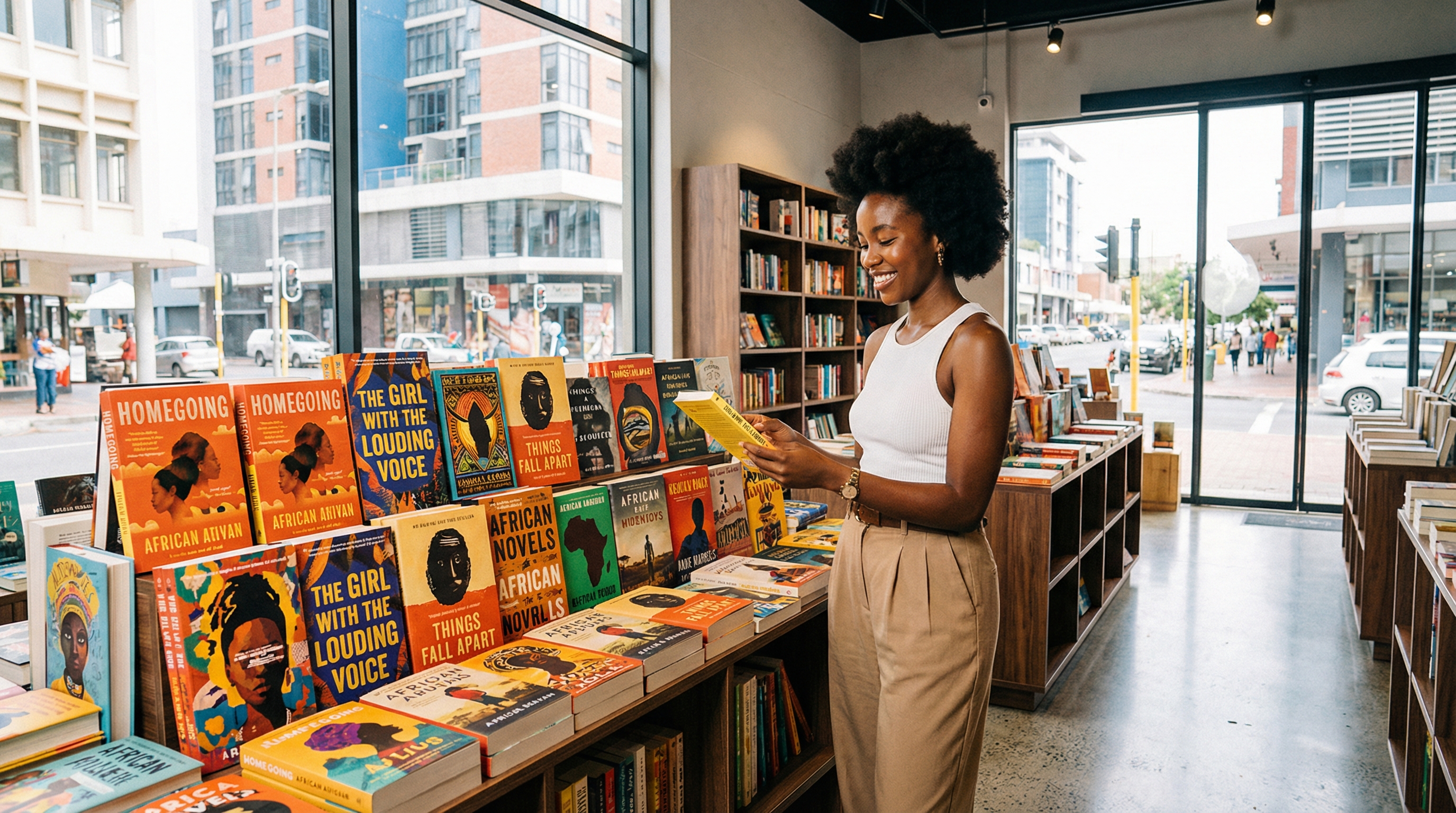
Something significant has happened in African fiction over the past two decades. The novels coming out of the continent -- and from African writers in the diaspora -- are reaching larger audiences, winning more prizes, and generating more conversation than at any point since the golden era of the 1960s and 1970s. African fiction is not rising. It has risen.
Understanding why this is happening, and what it means for literature and for Africa, is the project of this article.
What Changed
The 1980s and 1990s were a difficult period for African publishing. Economic crises across the continent gutted institutional support for literature. Publishers closed or contracted. University presses that had championed African writing in the independence era pulled back. Many of the great writers of the earlier generation -- Ngugi wa Thiong'o, Wole Soyinka, Nuruddin Farah -- were writing in exile, their books more accessible abroad than at home.
Then, gradually, conditions began to change.
International publishing attention shifted toward African writers in the early 2000s, partly because of the extraordinary success of individual books. Chimamanda Ngozi Adichie's "Purple Hibiscus" (2003) announced a new generation with unmistakable force. Adichie was young, Nigerian, writing in English, deeply engaged with both African tradition and global culture, and willing to discuss gender and politics with a directness that her publishers in New York and London found compelling and marketable.
She was not alone. Across the continent, a generation of writers was emerging who had grown up during the economic crises, the civil wars, and the structural adjustment programmes of the 1980s and 1990s -- and who were processing those experiences through fiction.
Digital technology played a significant role too. The internet made it possible for African writers to build audiences without waiting for traditional gatekeepers. Literary blogs, online journals, and eventually social media created spaces where African writing could circulate and generate discussion. Writers like Teju Cole built substantial followings online before publishing their first novels.
Prize culture also matters. The Booker Prize, the International Booker Prize, the Pulitzer Prize, and a range of other major literary awards began regularly recognising African writers. NoViolet Bulawayo was shortlisted for the Booker for "We Need New Names." Mariana Enriquez won the International Booker. Oyinkan Braithwaite's "My Sister the Serial Killer" was a Booker Prize longlistee and a bestseller. Each recognition brought new readers.
The Writers Defining Contemporary African Fiction
Chimamanda Ngozi Adichie (Nigeria) remains the most globally prominent African fiction writer of her generation. "Americanah" (2013), which follows a Nigerian woman navigating race in America, was a phenomenon -- critically acclaimed, commercially successful, and generative of real cultural conversation. Her influence on younger African writers is immense.
Teju Cole (Nigeria/USA) represents a more experimental strand of contemporary African fiction. "Open City" (2011) is a novel in the tradition of W.G. Sebald -- meditative, essayistic, concerned with history and memory rather than plot. It won the PEN/Hemingway Award and established Cole as a major literary voice.
Yaa Gyasi (Ghana/USA) brought Ghanaian history to a global audience with "Homegoing" (2016). The novel's structural ambition -- tracing two family lines across three centuries and two continents -- was matched by its emotional power. It was one of the most talked-about debuts of its decade.
Imbolo Mbue (Cameroon/USA) published "Behold the Dreamers" (2016), a novel about a Cameroonian immigrant family working for a Lehman Brothers executive in the months before the 2008 financial crisis. It won the PEN/Faulkner Award for Fiction.
NoViolet Bulawayo (Zimbabwe) published "We Need New Names" (2013) and "Glory" (2022), the latter a satirical allegory about Zimbabwe set among animals -- a conscious echo of Orwell's "Animal Farm," but told from an African perspective.
Oyinkan Braithwaite (Nigeria) proved that contemporary African fiction could be darkly comic and genre-inflected with "My Sister the Serial Killer" (2018). The novel is short, funny, and formally sharp -- proof that the contemporary African novel is not limited to a single register.
What Contemporary African Fiction Talks About
Reading across the contemporary African fiction landscape, certain preoccupations emerge.
Migration and diaspora are everywhere. The experience of leaving Africa, arriving somewhere else, and negotiating the gap between where you came from and where you are is a central subject for writers from Adichie to Mbue to Gyasi. This is not surprising given the scale of African emigration over the past three decades.
History as unfinished business is another recurring theme. Contemporary African novelists do not treat colonialism and its aftermath as settled history. They return to it, explore it from new angles, and trace its consequences into the present.
Gender and sexuality are being addressed with increasing directness. Adichie's feminism, Nana Darkoa Sekyiamah's work on sexuality, and a growing number of novels by African queer writers are expanding the range of subjects that African fiction can openly address.
Formal experimentation is also a notable feature. Contemporary African writers are not confined to a single mode. You find realism, magical realism, satire, allegory, autofiction, and genre fiction all being practiced at a high level.
What This Means for Readers
Contemporary African fiction is not a niche interest. It is one of the most vital currents in world literature right now, producing work that is formally ambitious, politically engaged, and emotionally powerful.
If you have been reading mainly European and American fiction, adding contemporary African voices to your reading is not an act of cultural charity. It is an act of self-interest. These books are good. They will expand your sense of what fiction can do.
The Sankofa Library catalog is a gateway. Browse it, follow the connections, and let the books lead you where they will.