Keyboard shortcuts
- J: Next chapter
- K: Previous chapter
- T: Toggle table of contents
- Shift+S: Share book
- +: Increase font size
- -: Decrease font size
- Escape: Close modals
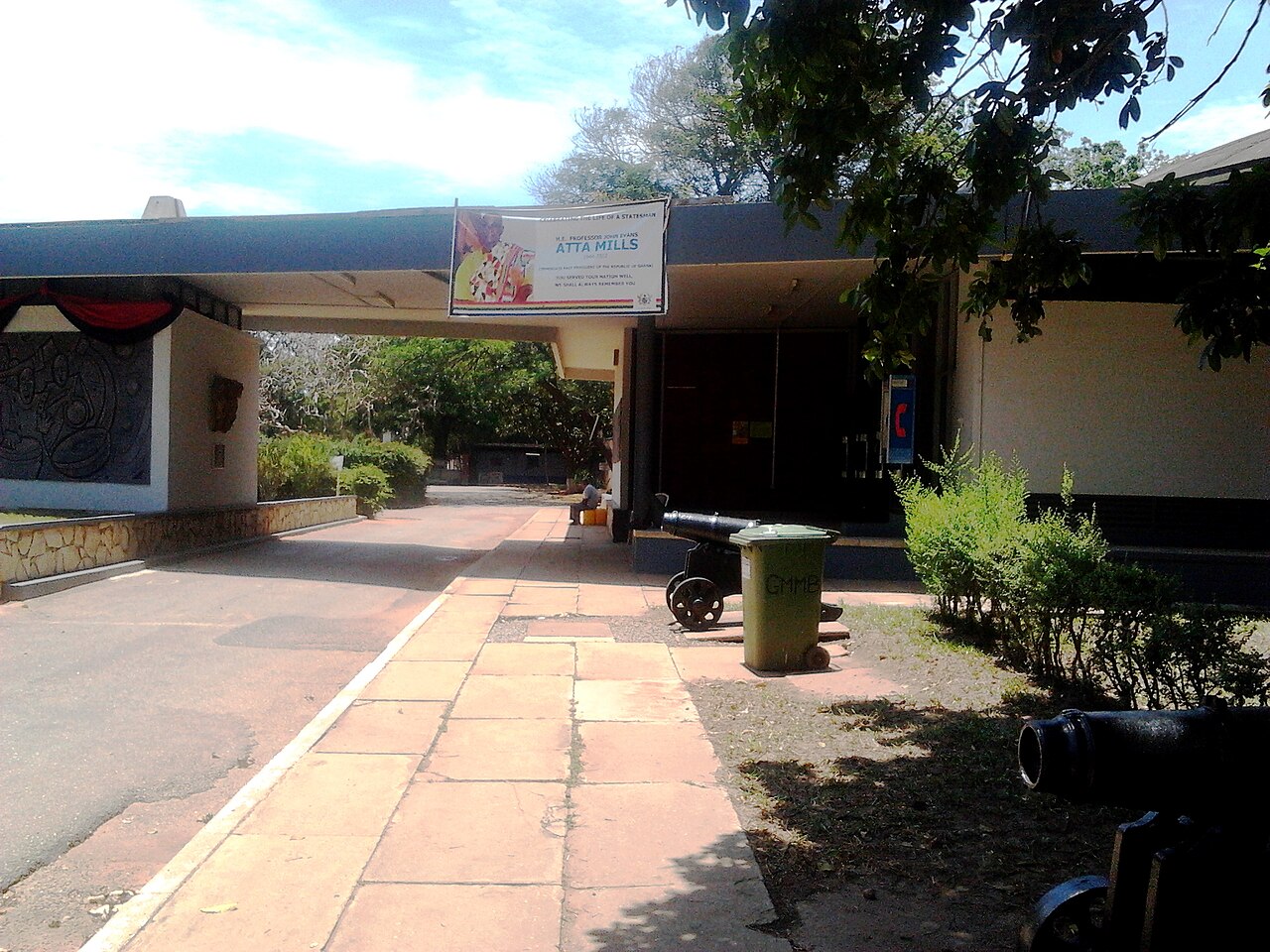
Cover: Own work CC BY-SA 3.0 via Wikimedia Commons
Chapter 1
A Nation Curates Itself
Every nation tells stories about itself, but the strongest stories require places where memory can be seen, touched, questioned, and protected. In Ghana, museums, monuments, archives, forts, palaces, festivals, and sacred landscapes carry the weight of many pasts. They preserve evidence of ancient settlement, Akan statecraft, northern kingdoms, Atlantic slavery, anti-colonial struggle, artistic production, military service, religion, migration, and modern democratic life. Heritage preservation is therefore not decoration. It is public education, political memory, cultural diplomacy, and sometimes argument.
At independence in 1957, Ghana faced the task of narrating a new nation from older histories. The name Ghana itself reached back to the medieval empire of the western Sudan, signaling African grandeur beyond colonial labels. Kwame Nkrumah's government used monuments, ceremonies, museums, textbooks, and public architecture to tell citizens that they belonged to a historic African destiny. Independence Square, the Black Star Gate, and the national flag worked alongside schools and cultural institutions. The aim was not only to remember the Gold Coast but to reframe it.
Museums served this nation-building mission. They collected artifacts, displayed arts, and gave material form to histories that colonial education had often minimized. Yet Ghana's heritage world has never been only state-controlled. Chiefs, queen mothers, priests, families, craftsmen, communities, churches, mosques, and local historians have preserved memory in stools, skins, drums, beads, shrines, oral traditions, royal mausoleums, and festival performances. The question has always been how national institutions can honor those living custodians rather than extract from them.
About This Book
A history of Ghana's museums, monuments, archives, and heritage preservation, from independence-era nation-building to contemporary debates over memory, tourism, and restitution.
Key Themes
- heritage
- museums
- memory
- tourism
- culture
Why This Matters
Heritage preservation shapes how Ghana teaches history, honors ancestors, develops tourism, and debates ownership of cultural memory.
Historical and Cultural Context
Created during the 2026-04-27 Sankofa content sprint after duplicate checks showed the assigned cron topic list was exhausted.