
Keyboard shortcuts
- J: Next chapter
- K: Previous chapter
- T: Toggle table of contents
- Shift+S: Share book
- +: Increase font size
- -: Decrease font size
- Escape: Close modals
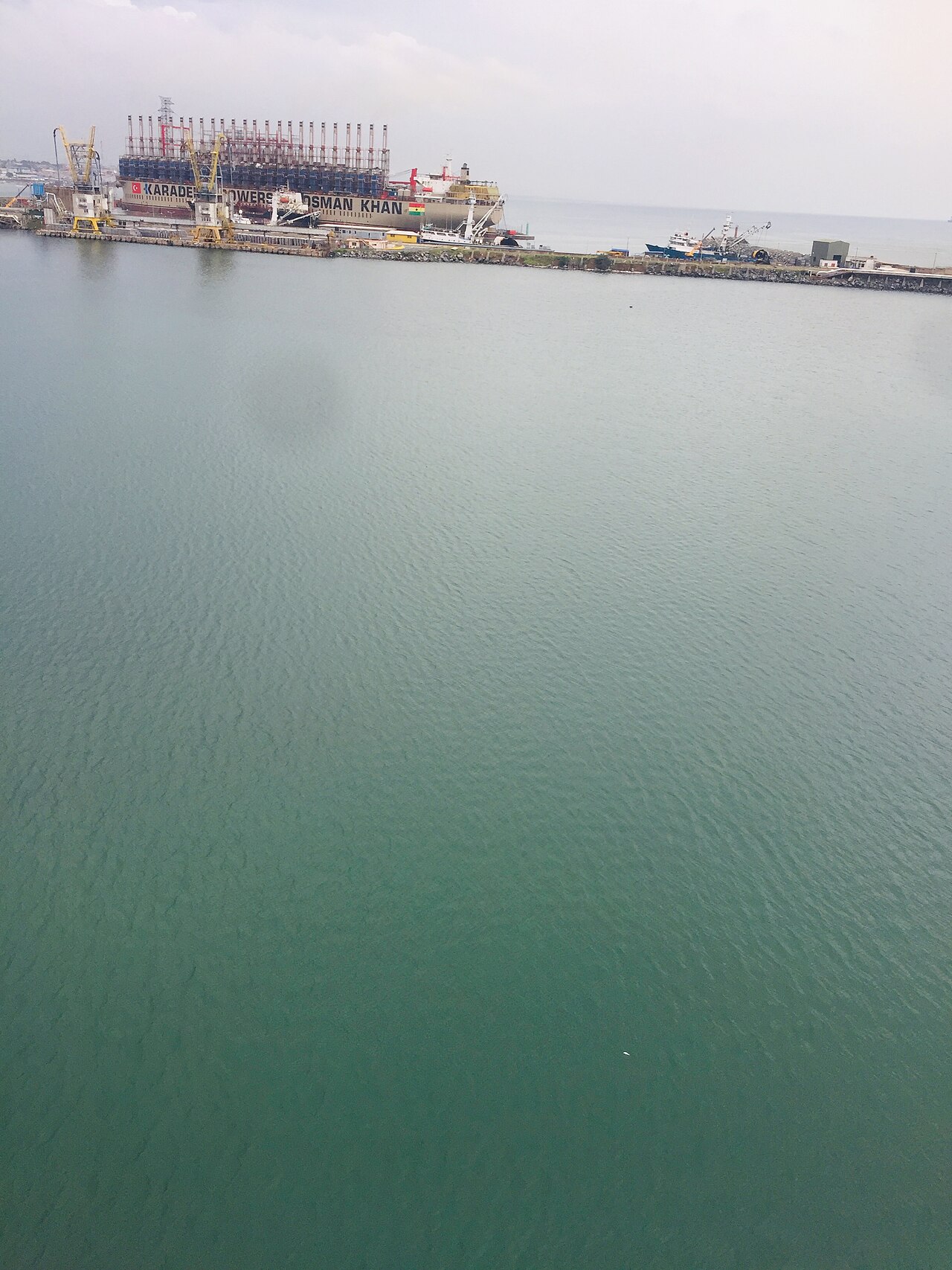
Cover: Own work CC BY-SA 4.0 via Wikimedia Commons
The Black Star Line: Nkrumah's Shipping Dream and Ghana's Maritime Pan-Africanism
↓Chapter 1
A Flag on the Atlantic
When Ghana became independent on 6 March 1957, its leaders inherited a country whose export wealth moved largely through systems designed by empire. Cocoa, timber, manganese, bauxite, and imported manufactured goods passed through harbors, banks, insurers, and shipping firms that had been shaped by colonial priorities. Independence gave Ghana a flag, a parliament, and a new name, but Kwame Nkrumah wanted more than constitutional sovereignty. He wanted the new republic to command some of the routes by which its economy touched the world. The sea mattered because Ghana's coast had long been both an opening and a wound: a zone of Atlantic commerce, military forts, missionary contact, forced migration, and colonial extraction. A Ghanaian merchant fleet would therefore be practical and symbolic at once. It could reduce dependence on foreign carriers, train African seafarers, support import and export planning, and announce that the Black Star on Ghana's flag belonged not only above government buildings but also on the ocean.
The name Black Star carried deliberate memory. Marcus Garvey's Black Star Line, launched in the United States in 1919, had imagined ships linking people of African descent across the Atlantic. Garvey's company failed financially, but its symbolism survived in Pan-African thought. Ghana placed a black star at the center of its national flag in 1957, honoring African emancipation and unity. Nkrumah's government gave that symbolism institutional form through shipping policy. The project was not nostalgia. It was a statement that a formerly colonized country could enter the technical, capital-heavy world of maritime commerce and insist on dignity in global exchange.
About This Book
A history of Ghana's state shipping ambitions, from independence-era maritime policy to Kwame Nkrumah's Black Star Line and its Pan-African symbolism.
Key Themes
- maritime history
- Pan-Africanism
- Nkrumah
- trade
- independence
Why This Matters
The Black Star Line shows how Ghana tried to convert political independence into control over trade routes, sea power, and African economic sovereignty.
Historical and Cultural Context
Created during the 2026-04-27 Sankofa content sprint after duplicate checks showed the assigned cron topic list was exhausted.
'/%3E%3Crect width='900' height='1200' fill='url(%23p)' opacity='.7'/%3E%3Ctext x='450' y='560' text-anchor='middle' font-size='140' font-family='serif'%3E%E2%9C%8A%3C/text%3E%3Ctext x='450' y='680' text-anchor='middle' fill='%23fff3c4' font-size='54' font-family='Georgia,serif' font-weight='700'%3ESankofa Library%3C/text%3E%3Ctext x='450' y='745' text-anchor='middle' fill='%23fff3c4' fill-opacity='.8' font-size='30' font-family='Arial,sans-serif'%3ECover under review%3C/text%3E%3C/svg%3E)


