Keyboard shortcuts
- J: Next chapter
- K: Previous chapter
- T: Toggle table of contents
- Shift+S: Share book
- +: Increase font size
- -: Decrease font size
- Escape: Close modals
The Door of No Return: Cape Coast Castle, Elmina, and the Atlantic Slave Trade on the Gold Coast
↓Chapter 1
The Portuguese Arrival: Elmina Castle and the Birth of the Gold Trade (1471-1637)
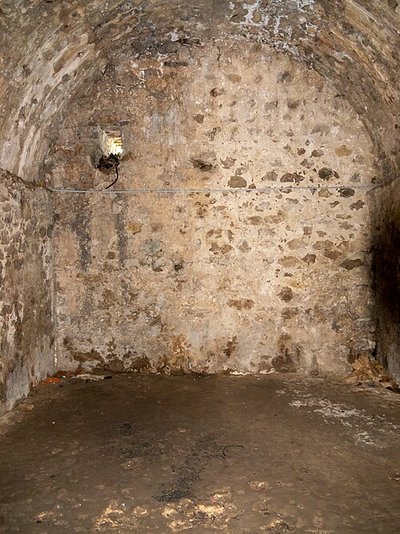
When Portuguese navigator Diogo de Azambuja arrived at the coastal village of Edina in January 1482, he came with 600 men, 100 masons, and prefabricated building materials loaded onto ten caravels and two transport ships. The site had been identified by navigators Joao de Santarem and Pedro Escobar, who first reached the Gold Coast in 1471 and found Akan traders willing to exchange gold dust for European cloth, brass, and iron. Azambuja negotiated with the local chief Kwamena Ansa (called "Caramansa" in Portuguese records), who initially resisted before reluctantly permitting construction. Sao Jorge da Mina — St. George of the Mine — rose in just twenty days, the first European structure in sub-Saharan Africa. By 1503, a chapel was added, making it the first Christian church below the Sahara. Historian John Vogt estimated the fort channelled 24,000 ounces of gold annually to Lisbon, underwriting Portugal's Age of Exploration. The gold trade, however, contained the seeds of a darker commerce: by the 1510s, Portuguese traders at Elmina had begun purchasing enslaved Africans from the Benin Kingdom to resell to Akan gold miners who needed labour for their deep-shaft operations. The Dutch West India Company (WIC), envious of Portugal's profits, besieged Elmina in 1637 under Commander Hans Coningck with 1,800 men and nine warships. After a fierce bombardment that breached the eastern wall, the Portuguese garrison of just 35 soldiers surrendered on 29 August 1637. Under Dutch control, Elmina's purpose shifted decisively: by the late 17th century, around 30,000 enslaved people passed through its Door of No Return each year, according to Culture Trip, making it the single busiest slave-trading post on the entire West African coast. The Dutch renamed it São Jorge da Mina to "Elmina" and expanded the underground dungeons. The castle's ground floor was converted into holding cells capable of imprisoning up to 1,000 captives simultaneously. Above the male dungeon, the Dutch Reformed Church held weekly services — a grotesque spatial arrangement where Christian hymns drifted down to captives chained in darkness below. Archaeological excavations in the 1990s by Christopher DeCorse of Syracuse University uncovered layers of compacted human waste in the dungeons measuring up to 30 centimetres deep, along with cowrie shells, glass beads, and iron shackles. The Portuguese had built Elmina primarily for gold; the Dutch transformed it into the busiest slave export point in West Africa.
About This Book
"The Door of No Return: Cape Coast Castle, Elmina, and the Atlantic Slave Trade on the Gold Coast" meticulously charts the agonizing transformation of the Gold Coast, present-day Ghana, into the epicenter of the transatlantic slave trade. The book begins with the arrival of the Portuguese at Elmina in 1482, detailing the initial trade in gold and other resources before the insidious shift towards human cargo. It meticulously examines the construction and expansion of Elmina Castle -- initially São Jorge da Mina -- and Cape Coast Castle, tracing their evolution from trading posts to fortified dungeons of unimaginable cruelty. The narrative explores the complex relationships between European powers -- the Portuguese, Dutch, British, Danish, and others -- and the various Akan states, including the Asante, Fante, and Akwamu. It delves into the intricacies of the trade itself, detailing the methods of capture, enslavement, and transportation of Africans across the Atlantic. The book does not shy away from depicting the brutal conditions within the castles -- the cramped cells, disease, starvation, and systematic torture endured by the enslaved. Furthermore, the book examines the resistance mounted by Africans, both on the continent and during the Middle Passage. It highlights figures who resisted enslavement, and the various forms of resistance including sabotage, uprisings, and the preservation of cultural traditions. "The Door of No Return" analyzes the economic and social impact of the slave trade on the Gold Coast, exploring how it destabilized existing power structures, fueled inter-tribal conflicts, and left a lasting legacy of trauma. Readers will gain a deep understanding of the mechanics of the slave trade, the strategies employed by European powers, and the resilience of the African people in the face of unimaginable adversity. The book elucidates the significance of these castles as sites of memory and conscience, urging reflection on the enduring consequences of this horrific chapter in human history.
About the Author
The scholarship surrounding the history of the Atlantic slave trade on the Gold Coast is vast and varied, drawing from diverse sources including archival documents, oral histories, and archaeological findings. Early accounts were often written from a Eurocentric perspective, but contemporary scholars have worked tirelessly to center African voices and perspectives. Important figures include historians like Albert van Dantzig, whose work on Dutch involvement in the slave trade is foundational, and Ivor Wilks, known for his meticulous research on the Asante kingdom and its interactions with European traders. More recently, scholars such as Robin Blackburn and Ana Lucia Araujo have provided broader transnational analyses of the slave trade. The tradition of oral history, passed down through generations of Ghanaians, provides invaluable insight into the lived experiences of those affected by the trade, supplementing and sometimes challenging written records. This book builds upon this rich body of scholarship, aiming to provide a comprehensive and nuanced understanding of this complex and tragic period.
Key Themes
- Atlantic Slave Trade
- Elmina Castle
- Cape Coast Castle
- Akan History
- European Colonialism
- Resistance
- Cultural Trauma
Why This Matters
The story of the Gold Coast and its role in the Atlantic slave trade is of paramount importance for understanding Ghanaian and African heritage. It represents a pivotal moment in history that fundamentally shaped the social, political, and economic landscape of the region. The repercussions of the slave trade continue to reverberate today, contributing to issues of inequality, trauma, and identity.
For the diaspora, especially, engaging with this history is crucial for connecting with their ancestral roots and understanding the origins of their displacement. It provides a context for understanding the historical forces that have shaped their experiences and identities. For students, this story offers a vital opportunity to learn about the complexities of colonialism, the horrors of the slave trade, and the resilience of the African spirit. By confronting this difficult history, we can foster empathy, promote social justice, and work towards a more equitable future. It is essential to understand the past to navigate the present and build a better tomorrow.
Historical and Cultural Context
The story of Elmina and Cape Coast Castles connects directly to other key narratives within African history and the Sankofa Digital Heritage Library. It should be viewed in conjunction with studies of other slave trading hubs across the continent, such as Gorée Island in Senegal or Whydah in Benin. Understanding the Akan kingdoms' interactions with European powers is crucial to understanding the early stages of colonialism in West Africa. Furthermore, the legacy of the slave trade is inextricably linked to later struggles for independence and the development of Pan-Africanism. The struggles for liberation in South Africa, the Civil Rights Movement in the United States, and the independence movements throughout Africa all draw strength and inspiration from the resistance to enslavement.
'/%3E%3Crect width='900' height='1200' fill='url(%23p)' opacity='.7'/%3E%3Ctext x='450' y='560' text-anchor='middle' font-size='140' font-family='serif'%3E%E2%9C%8A%3C/text%3E%3Ctext x='450' y='680' text-anchor='middle' fill='%23fff3c4' font-size='54' font-family='Georgia,serif' font-weight='700'%3ESankofa Library%3C/text%3E%3Ctext x='450' y='745' text-anchor='middle' fill='%23fff3c4' fill-opacity='.8' font-size='30' font-family='Arial,sans-serif'%3ECover under review%3C/text%3E%3C/svg%3E)