Keyboard shortcuts
- J: Next chapter
- K: Previous chapter
- T: Toggle table of contents
- Shift+S: Share book
- +: Increase font size
- -: Decrease font size
- Escape: Close modals

The Homowo Festival: Sacred Harvest, Ga Identity, and the Spiritual Heart of Accra
- Ga people
- Homowo
- Accra
- Traditional Festivals
- Ga Mantse
- Wulomei
- Kpokpoi
- Famine
- Harvest Festival
- Oral Traditions
- Ga Mashie
- Spiritual Heritage
- Pre-Colonial Ghana
Chapter 1
Echoes of Hunger: Mythical Origins and the Ga Exodus
The Homowo festival traces its origins to the great migration of the Ga people, a journey shrouded in both oral tradition and scholarly debate. According to Ga oral history, the people migrated from a homeland variously identified as regions near modern-day Nigeria, Sudan, or even further east. Daniel Tetteh Osabu-Kle of Carleton University has noted the intriguing similarity between the Ga people's unleavened bread, akpiti, and the unleavened bread of Jewish tradition, though he cautions that "what can be said with certainty is that the Ga people were not static, but dynamic and engaged in the very common phenomenon of migration in Africa."
During this migration, the Ga people endured a devastating famine. The word "Homowo" itself encodes this memory: "Homo" means hunger, "wo" means to hoot or jeer. Homowo literally means "hooting at hunger," a defiant celebration of survival. The tradition holds that during the famine, the people's priests and priestesses prayed to their deities for relief. When the rains finally came and the harvest was bountiful, the Ga people celebrated by jeering at the hunger that had nearly destroyed them.
The festival's connection to the Asere Quarter in Accra is particularly significant. The Lamte Dsanwe people of Asere hold the original calendar, provided yearly by the Dantu Fetish Priest. The Ga Native Year commences either on the last Monday of April or the first or second Monday of May, when the Nmaadumo (millet-sowing rite) takes place. Seven priests of the Gamashie people perform the Shibaa, the rite of digging, in a specific order: Dantu on Monday, Sakumo on Tuesday, Naa Korle and Naa Afieye on Friday, Gua on Saturday, Naa Dede on Sunday, and Nai on the following Tuesday.
About This Book
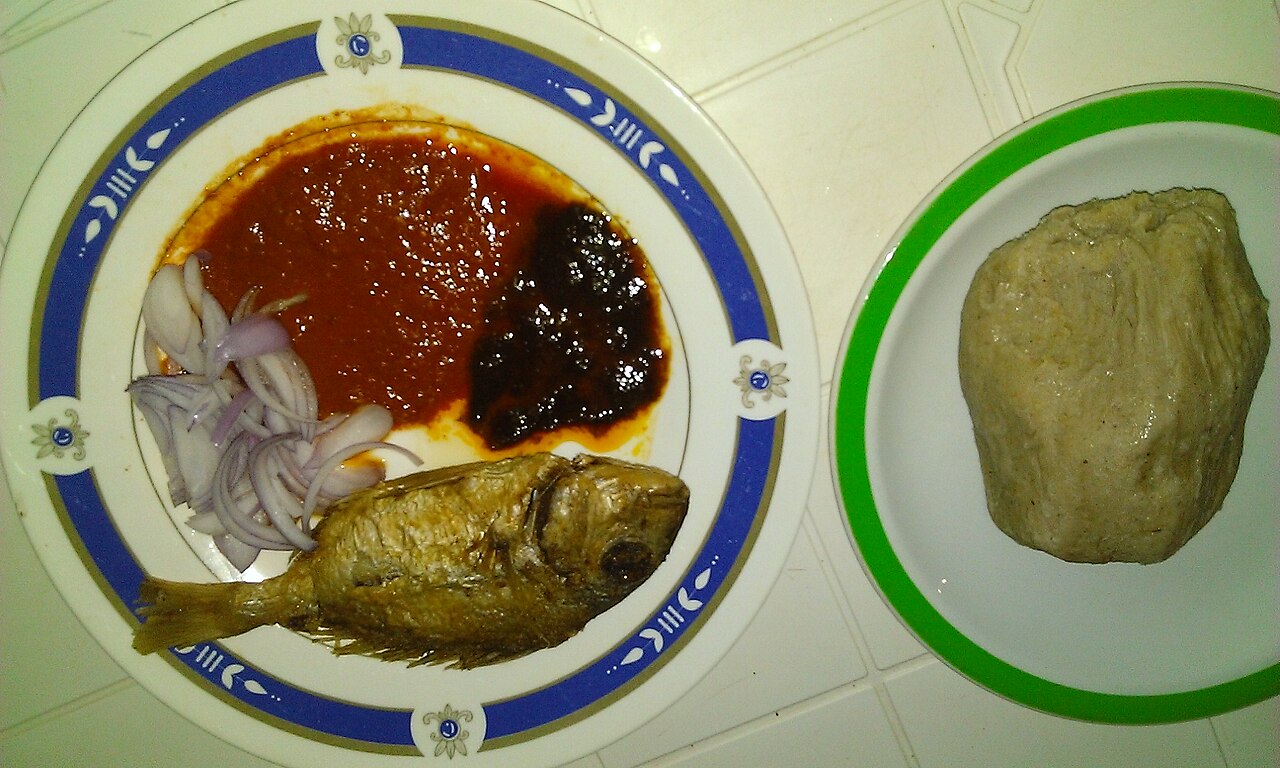
"The Homowo Festival: Sacred Harvest, Ga Identity, and the Spiritual Heart of Accra" delves into the profound significance of Homowo, far exceeding a mere harvest celebration. The book meticulously traces the festival's origins to the arduous migration of the Ga-Dangme people from present-day Nigeria to the coast of Ghana, specifically focusing on the devastating famine that gripped the community en route. The narrative vividly recounts how ancestral resilience and ingenious agricultural practices enabled their survival, transforming collective trauma into a potent symbol of enduring identity. The book dissects the three-month ritual cycle, beginning with the *Nmaa Dumo* (millet planting), a sacred act performed by Ga Mantsemei (chiefs) that symbolically re-enacts the ancestral struggle and ensures future prosperity. It explores the significance of the *Otofo*, the ban on drumming and noise-making, analyzing its dual purpose: to create a tranquil environment for the crops to flourish undisturbed, and to provide a period of solemn reflection on the ancestors’ hardships. Central to the narrative is the climax of Homowo, marked by the ritual sprinkling of *kpoikpoi*, a carefully prepared dish of fermented corn and palm oil, by the *Wulomei* (priests) and family heads. This act serves not only as an offering to the ancestral spirits but also as a potent reminder of the famine and the ultimate triumph over adversity. The book examines the intricate roles of various Ga traditional authorities – the Ga Mantse, the *Asafo* companies (warrior groups), and the *Wulomei* -- in orchestrating the festival, emphasizing their roles in preserving cultural continuity and enforcing social cohesion. It unpacks the historical development of Accra from a collection of fishing villages into a major trading hub, shaped by the presence of European powers such as the Portuguese, Dutch, and British, and how Homowo acted as a unifying force amidst external pressures. Furthermore, the book underscores how, even through colonial disruptions and the rise of modern Accra, Homowo has remained a powerful testament to Ga resilience and a dynamic expression of cultural identity, continually adapting while preserving its core spiritual and social functions. Readers will gain a comprehensive understanding of Homowo’s historical evolution, its intricate symbolism, and its enduring relevance to the Ga people and Ghanaian heritage.
About the Author
The understanding of Homowo and Ga history is deeply rooted in oral traditions passed down through generations, and documented by a range of scholars. Early accounts of Ga history and customs are found in the writings of European missionaries and colonial administrators, but these must be critically examined for biases. Crucially, Ga scholars and historians themselves have played a vital role in documenting and interpreting the festival's significance. Figures like A.B. Quartey-Papafio, one of the first Ga barristers, who collected oral histories, and contemporary researchers in the Institute of African Studies at the University of Ghana have done important work. Their scholarship, combining oral narratives with archival research, is essential for a nuanced understanding of Homowo. These scholars provide invaluable perspectives often missing from external accounts, preserving and promoting Ga cultural heritage. This book benefits immensely from their insights, providing a balanced and authentic portrayal of the Homowo festival.
Key Themes
- Ancestral veneration
- Cultural resilience
- Agricultural symbolism
- Ga identity formation
- Communal solidarity
- Ritual performance
Why This Matters
The Homowo festival is crucial for understanding Ghanaian and African heritage because it showcases the dynamic interplay between history, ritual, and identity. It demonstrates how communities create and maintain cultural cohesion through collective memory and symbolic practices, even in the face of profound adversity. Homowo's story of resilience against famine resonates with broader African experiences of survival and adaptation.
For the diaspora, Homowo offers a tangible connection to ancestral roots and a profound understanding of the values and beliefs that have shaped Ga identity for centuries. It is a reminder of the resourcefulness and determination of their forebears. For students, this festival serves as a rich case study in understanding the complexities of African history, challenging simplified narratives and fostering appreciation for the diversity of African cultures. By engaging with Homowo, readers can gain a deeper understanding of the power of cultural heritage in shaping identity, promoting community, and preserving memory.
Historical and Cultural Context
The Homowo festival can be placed within the broader context of West African agricultural festivals that celebrate harvest and honor ancestors. Like the yam festivals of the Akan people or the various harvest celebrations found throughout Nigeria, Homowo highlights the importance of agriculture and the cyclical relationship between humans and the land. Within the Sankofa Digital Heritage Library, studying Homowo alongside accounts of Asante statecraft or narratives of resistance to European colonialism will offer a more holistic view of Ghanaian history and its cultural diversity. It serves as a crucial element in understanding the richness and complexity of pre-colonial African societies.
Sources & References
- Field, M.J. Social Organisation of the Ga People. Crown Agents for the Colonies, 1937.
- Reindorf, Carl Christian. History of the Gold Coast and Asante. Basel Mission Book Depot, 1895.
- Parker, John. Making the Town: Ga State and Society in Early Colonial Accra. James Currey, 2000.
- Kilson, Marion. Kpele Lala: Ga Religious Songs and Symbols. Harvard University Press, 1971.
- Azumah, E.N. The Ga People: Their History and Culture. Sub-Saharan Publishers, 2012.
- Wikipedia: Homowo. Accessed February 2026.
- Cultural Encyclopaedia: Homowo Entry. culturalencyclopaedia.org, 2026.