
Keyboard shortcuts
- J: Next chapter
- K: Previous chapter
- T: Toggle table of contents
- Shift+S: Share book
- +: Increase font size
- -: Decrease font size
- Escape: Close modals
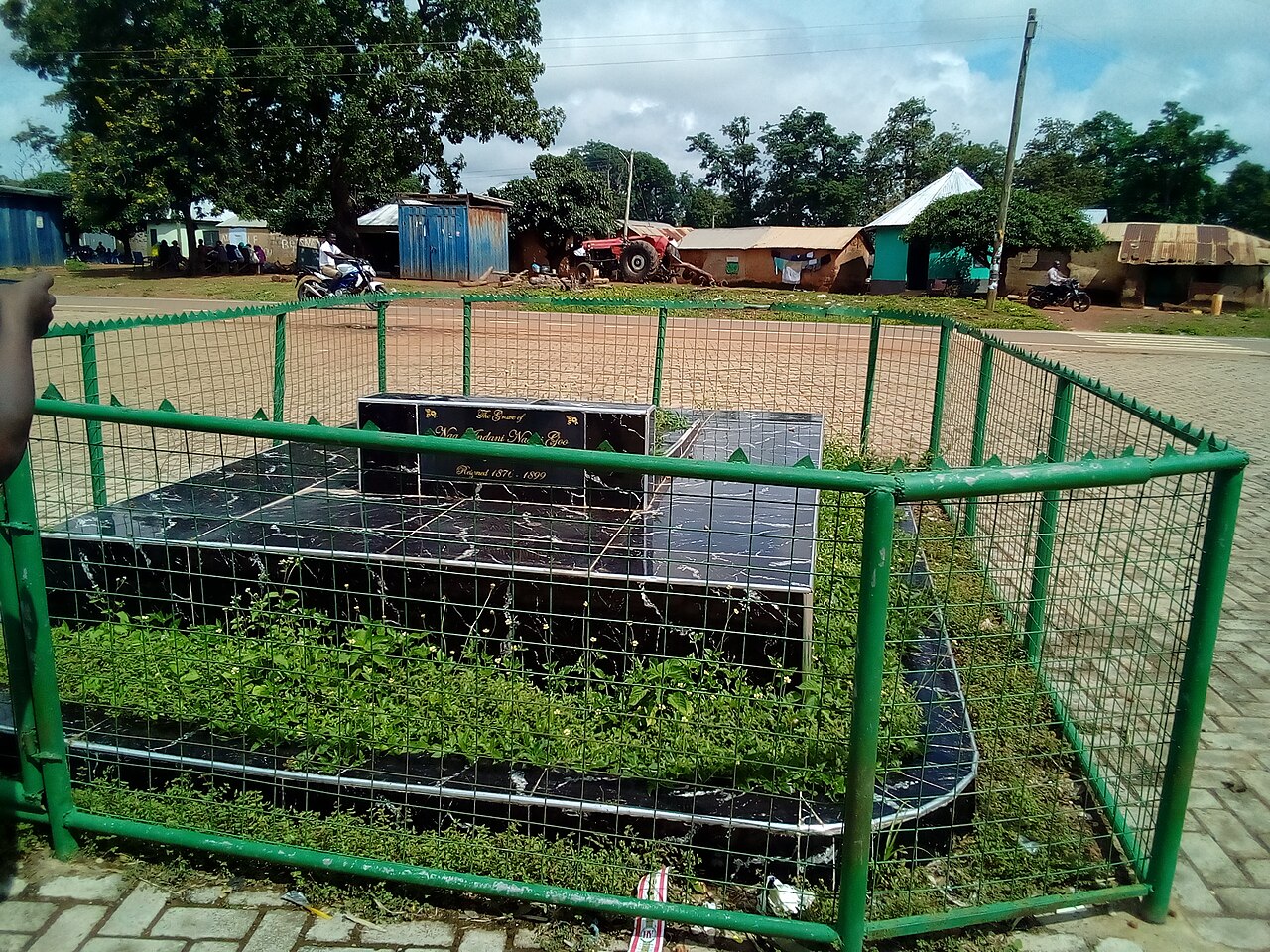
Cover: Own work CC BY-SA 4.0 via Wikimedia Commons
The Scars of Yendi: Dagbon's Chieftaincy Crisis and the Path to Reconciliation (2002-2019)
- Dagbon Chieftaincy
- Yendi Conflict
- Ya-Na Yakubu Andani II
- Andani Royal Gate
- Abudu Royal Gate
- Traditional Governance
- Conflict Resolution
- Northern Ghana
- Wuaku Commission
- Otumfuo Osei Tutu II
Chapter 1
Part 1
## Chapter 1: The Throne Divided: Roots of the Dagbon Chieftaincy Dispute
The Dagbon Kingdom, one of Ghana's oldest and most influential traditional states, has for centuries been governed by a complex system of chieftaincy, with the paramount chief, the Ya-Na, holding sway from the Gbewaa Palace in Yendi. The succession to the Gbewaa Skin, however, has historically been a source of contention, primarily revolving around the rotational principle between the two dominant royal gates: the Andani and the Abudu. Both gates trace their lineage to Ya-Na Yakubu I, who reigned in the 17th century, and each holds valid claims to the throne. The rotational system, intended to ensure fairness and prevent prolonged disputes, often became the very crucible of conflict, exacerbated by political interference and socio-economic pressures.
Throughout the 20th century, these tensions frequently flared, particularly following the death of a Ya-Na. Each gate meticulously records its lineage and past occupancy of the Gbewaa Skin, making every succession a delicate balance of historical precedent and contemporary political maneuvering. The seeds of the 2002 crisis were sown decades earlier, with disputes over the enskinment of intermediate chiefs, the allocation of resources, and the perceived marginalization of one gate over the other during various political regimes. These unresolved grievances and the politicization of traditional authority created a volatile environment where the lines between customary law and political expediency became increasingly blurred, setting the stage for the tragic events that would unfold.
Sources & References
- Report of the Wuaku Commission of Inquiry into the Yendi Disturbances. (2002). Government of Ghana Publication.
- Jonah, K. (2012). Chieftaincy in Ghana: Conflicts, Challenges, and Implications for Development. Accra: Woeli Publishing Services.
- Akyeampong, E. (2006). 'Dagbon Chieftaincy Conflict: A Case Study of Traditional Governance in Ghana'. In A. Boahen (Ed.), Ghana: One Decade of the Liberal State. CODESRIA Books.
- Asantehene Otumfuo Osei Tutu II. (2018). 'Statement on the Dagbon Peace Roadmap'. Kumasi, Ghana: Manhyia Palace Archives.
- Ghana News Agency (GNA) Archives. (2002-2019). Reports on the Dagbon Chieftaincy Crisis.


