
Keyboard shortcuts
- J: Next chapter
- K: Previous chapter
- T: Toggle table of contents
- Shift+S: Share book
- +: Increase font size
- -: Decrease font size
- Escape: Close modals
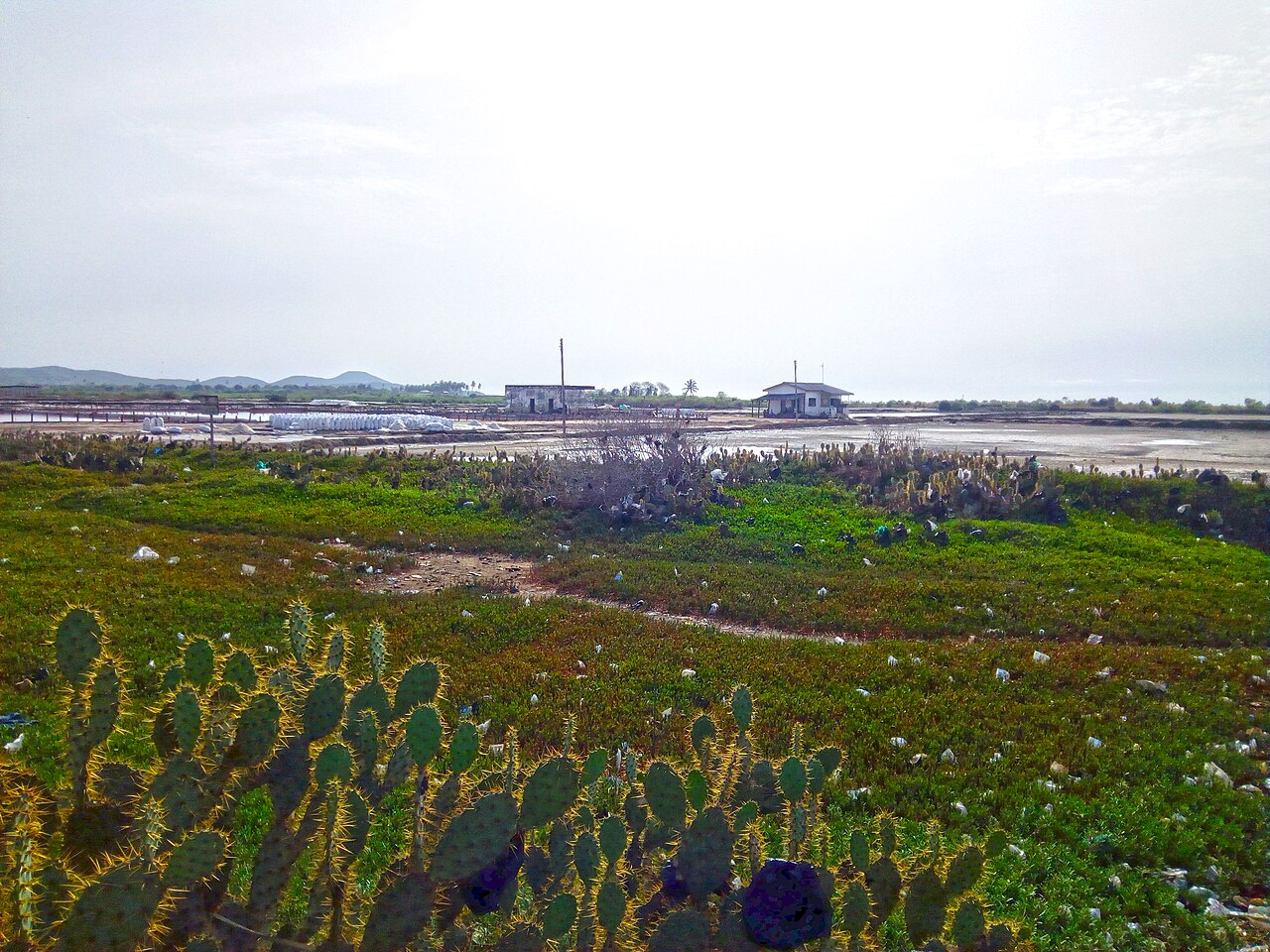
Cover: Own work CC BY-SA 4.0 via Wikimedia Commons
White Crystals, Black Star: Ada Songor Salt, Indigenous Rights, and Ghana's Coastal Economy
- salt
- Ada
- coastal economy
- indigenous rights
- resource politics
Chapter 1
Part 1
Salt was one of the quiet foundations of West African history. Along Ghana's coast, lagoon salt preserved fish, flavored food, healed hides, supported ritual use, and moved inland through trade networks that joined coast, forest, and savannah. Ada's Songor Lagoon became one of the most important salt landscapes because nature and human skill worked together there. Seasonal evaporation left crystals that could be gathered, dried, carried, sold, and exchanged. Families knew the moods of water, wind, sun, and mud. Women played major roles in gathering and marketing salt, while canoe owners, farmers, traders, and chiefs connected the lagoon to wider economic life. Salt linked Ada to markets along the Volta, to Ewe and Akan trading routes, and to northern exchange systems where salt had long been a valued commodity. Before colonial boundaries hardened land into paperwork, access rested on layered rights: lineage claims, stool authority, community practice, seasonal labour, and spiritual respect for the lagoon. Songor was not simply a deposit waiting for extraction. It was a living commons. People worked it, argued over it, prayed around it, and depended on it. That older meaning matters because later governments and companies often described the lagoon mainly as an industrial opportunity. Ada communities remembered something larger: salt was livelihood, identity, inheritance, and a social contract between people and place.
Colonial Mapping and the Problem of Ownership
British colonial rule brought surveys, concessions, taxes, courts, and new language about ownership. Officials wanted resources to be legible to the state. A lagoon that local people understood through use-rights and customary authority became a resource to be mapped, licensed, and regulated. Colonial administrators saw salt as useful for commerce and revenue, but they also struggled to control the many small producers who worked seasonally around Songor. The problem was not that Ada people lacked organization. The problem was that their organization did not always fit colonial legal categories. Chiefs, clans, women traders, migrant labourers, and local entrepreneurs all had claims of one kind or another. Courts could recognize some rights and erase others. Roads, river transport, and coastal trade widened the market, but they also increased competition. Imported salt and industrial salt from other places affected prices. By the early twentieth century, debates over who could dig, gather, tax, and sell salt had become part of the wider colonial economy. Similar conflicts appeared in mining, timber, cocoa land, and fisheries, but Songor had its own character because the resource was visible, seasonal, and worked by many ordinary people. Colonialism did not invent conflict at Songor, but it sharpened conflict by turning flexible relationships into documents, leases, and police-backed authority. The seeds of later resistance were planted in this mismatch between community practice and state concession.
About This Book
A history of the Songor Lagoon and Ada salt economy, tracing pre-colonial exchange, colonial regulation, post-independence concessions, community resistance, and the continuing debate over resource justice.
Key Themes
- salt
- Ada
- coastal economy
- indigenous rights
- resource politics
Why This Matters
The Songor story shows how a local resource can carry national questions about land, labour, women, chiefs, companies, and the meaning of development.
Historical and Cultural Context
Created during the 2026-04-29 Sankofa daily content sprint after duplicate audit of the assigned topic list.
Sources & References
- Ghana labour and social history scholarship
- Ghana Trades Union Congress history
- Ada Songor Lagoon community and resource-rights studies
- Ghanaian public policy and environmental justice literature


