
Keyboard shortcuts
- J: Next chapter
- K: Previous chapter
- T: Toggle table of contents
- Shift+S: Share book
- +: Increase font size
- -: Decrease font size
- Escape: Close modals
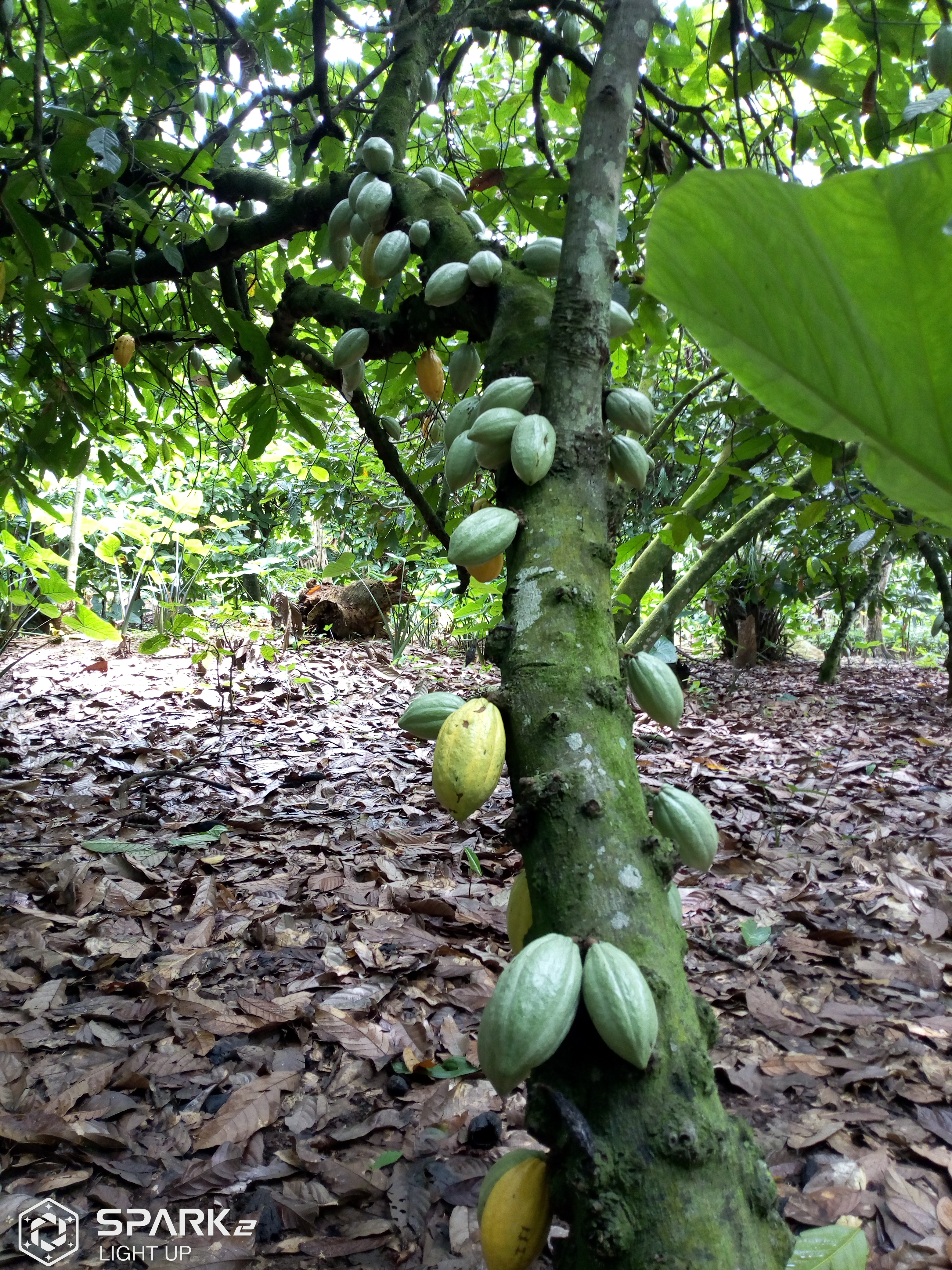
Cocoa Child Labor: The Dark Side of Ghana's Chocolate Production and the Fight for Ethical Farming
↓Chapter 1
Overview: From Gold Coast Treasure to Global Dependency
Ghana produces roughly 20% of the world's cocoa, making it the second-largest producer after Côte d'Ivoire. Together, these two West African nations supply approximately 70% of global cocoa beans, the raw material that becomes chocolate in the hands of multinational corporations like Mars, Nestlé, Hershey, and Lindt. Yet behind the sweet product beloved worldwide lies a bitter reality: an estimated 1.56 million children work in cocoa production across Ghana and Côte d'Ivoire, with roughly 45% of children living in agricultural households in cocoa-growing regions participating in child labor.
The NORC 2020 report—commissioned by the U.S. Department of Labor—found that child labor in cocoa production had actually increased by 14% between 2008/09 and 2018/19, despite two decades of industry promises and certification schemes. In Ghana specifically, children as young as five harvest pods with machetes, apply toxic pesticides without protective equipment, and carry loads that exceed safe weight limits for their age. These tasks fall under the International Labour Organization's (ILO) definition of "worst forms of child labor," exposing children to physical injury, chemical hazards, and educational deprivation.
The average cocoa farmer in Ghana earned just 84 cents per day during the 2013-14 growing season, according to the Cocoa Barometer—far below the World Bank's extreme poverty line of $2.15/day (2022 standard). This economic desperation creates structural dependency on unpaid family labor, including children. A 2020 University of Sheffield study found that 95% of cocoa workers surveyed in Ghana did not even know whether their farm was certified under Fair Trade, Rainforest Alliance, or other ethical labor schemes, revealing the disconnect between consumer-facing labels and on-the-ground realities.
Ghana's cocoa industry is a study in contradictions: a national treasure that funds education and infrastructure through COCOBOD (Ghana Cocoa Board) revenues, yet built on a foundation of rural poverty and child exploitation. Understanding this crisis requires tracing its roots from colonial introduction to modern global supply chains, examining why international protocols have repeatedly failed, and identifying what genuine solutions might look like beyond symbolic certifications.
About This Book
"Cocoa Child Labor: The Dark Side of Ghana's Chocolate Production and the Fight for Ethical Farming" delves into the deeply unsettling reality of child labor within Ghana's cocoa industry, a sector integral to the nation's economy and global chocolate supply. The book meticulously traces the historical roots of this issue, beginning with the colonial era when the introduction of cocoa cultivation transformed the social and economic landscape of the Gold Coast. The burgeoning demand for cocoa in Europe fueled rapid expansion, often predicated on exploitative labor practices that disproportionately affected vulnerable populations. The narrative exposes how colonial policies, including land tenure systems and taxation, incentivized cocoa production at the expense of ethical considerations, creating a system of dependency that persisted long after independence. It unpacks the complexities of land ownership, where subsistence farmers often struggle to compete with larger, wealthier landowners, exacerbating economic inequalities that contribute to child labor. The book highlights the crucial distinction between family labor, a traditional practice where children assist with farm tasks under parental supervision, and exploitative child labor, which involves hazardous work, long hours, and denial of education. It presents alarming statistics on the number of children engaged in dangerous activities such as wielding machetes, carrying heavy loads, and exposure to harmful pesticides. The work discusses international efforts to combat child labor, including the Harkin-Engel Protocol (Cocoa Protocol), and examines the effectiveness of these initiatives in addressing the root causes of the problem. The book further considers the roles and responsibilities of various stakeholders including cocoa farmers, local communities, the Ghanaian government, chocolate companies, and consumer advocacy groups, in working towards a more ethical and sustainable cocoa industry. The study does not shy away from confronting the uncomfortable truths about the chocolate industry's complicity in perpetuating child labor. It examines the price pressures faced by cocoa farmers, who receive a meager share of the profits generated from chocolate sales, making it difficult for them to afford fair labor practices. Finally, the book offers insight on potential solutions and strategies aimed at empowering cocoa farmers, promoting education, strengthening law enforcement, and raising consumer awareness.
About the Author
The study of cocoa production in Ghana has been shaped by generations of scholars dedicated to uncovering the complexities of economic development, labor dynamics, and social justice. Works such as Polly Hill's seminal "The Migrant Cocoa Farmers of Southern Ghana" (1963) have been foundational in understanding the socio-economic aspects of cocoa farming communities. More recent scholarship, represented by the research of Dr. Kristy Leissle, has shed light on the contemporary challenges of child labor and the ethical dimensions of the global cocoa trade. Organizations like the International Cocoa Initiative (ICI) have played a crucial role in providing data and research on child labor prevalence. Additionally, the work of investigative journalists and human rights organizations has been instrumental in raising awareness about the human cost of chocolate production. This book builds upon this legacy of critical inquiry, drawing on diverse sources to offer a comprehensive and nuanced understanding of the cocoa industry's dark side.
Key Themes
- Child Labor
- Cocoa Production
- Colonial Exploitation
- Fair Trade
- Economic Inequality
- Ghanaian Agriculture
- International Protocols
Why This Matters
This book is of immense significance for understanding Ghanaian and African heritage, as it illuminates the intersection of historical exploitation, economic development, and human rights within a vital sector of Ghana's economy. It challenges us to confront the uncomfortable realities of global supply chains and the impact of consumer demand on vulnerable communities.
For the diaspora, this topic provides a critical lens through which to examine the legacy of colonialism and its enduring effects on contemporary African societies. It encourages informed consumer choices and supports advocacy efforts for fair trade and ethical sourcing. Students will benefit from a nuanced understanding of the complexities involved in addressing global challenges, including the importance of historical context, interdisciplinary perspectives, and collaborative solutions. Engaging with this story fosters a sense of responsibility and empowers readers to become agents of change in promoting a more just and sustainable world. The plight of cocoa farmers and the children who work alongside them is a reminder that progress requires constant vigilance and a commitment to ethical practices.
Historical and Cultural Context
The story of cocoa in Ghana is inextricably linked to the broader history of agricultural commodity production in Africa during the colonial and post-colonial periods. The dynamics of exploitation and unequal trade relationships seen in the cocoa sector are mirrored in other industries, such as coffee, tea, and palm oil. The Sankofa Digital Heritage Library contains accounts of resistance to colonial economic policies and the struggles for economic independence that provide valuable context for understanding the present-day challenges facing cocoa farmers. Furthermore, examining the role of women in cocoa farming communities, a frequent yet often overlooked dimension, adds another layer to the historical context.


'/%3E%3Crect width='900' height='1200' fill='url(%23p)' opacity='.7'/%3E%3Ctext x='450' y='560' text-anchor='middle' font-size='140' font-family='serif'%3E%E2%AD%90%3C/text%3E%3Ctext x='450' y='680' text-anchor='middle' fill='%23fff3c4' font-size='54' font-family='Georgia,serif' font-weight='700'%3ESankofa Library%3C/text%3E%3Ctext x='450' y='745' text-anchor='middle' fill='%23fff3c4' fill-opacity='.8' font-size='30' font-family='Arial,sans-serif'%3ECover under review%3C/text%3E%3C/svg%3E)