
Keyboard shortcuts
- J: Next chapter
- K: Previous chapter
- T: Toggle table of contents
- Shift+S: Share book
- +: Increase font size
- -: Decrease font size
- Escape: Close modals
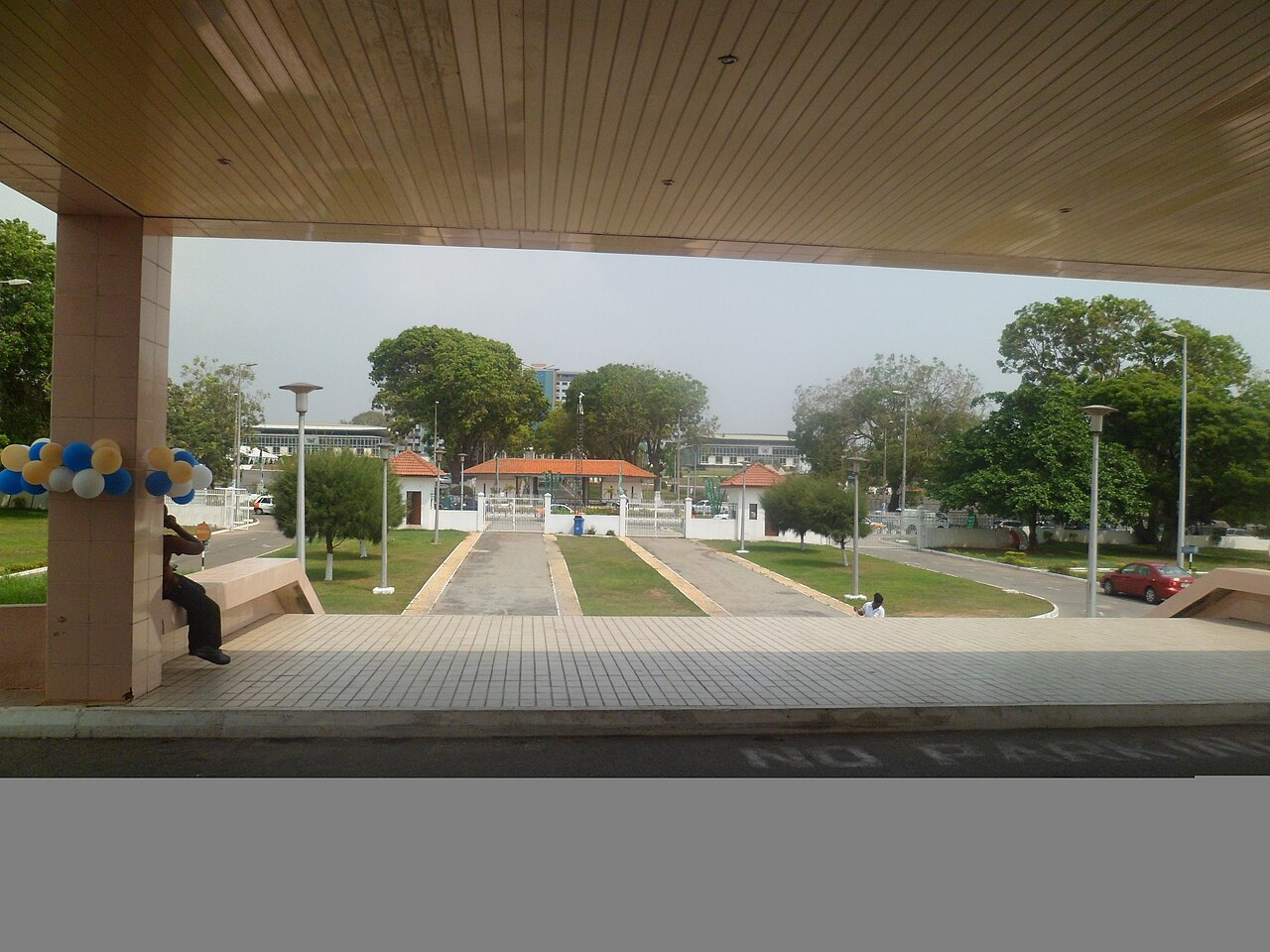
Cover: Self-published work by Wgsohne (originally posted to Flickr as State House) CC BY-SA 3.0 via Wikimedia Commons
From Colonial Council to Democratic Citadel: The Enduring Legacy of Ghana's Parliament (1850-Present)
- Ghana Parliament
- Gold Coast Legislative Council
- Constitutional History
- Democracy
- Military Coups
- Fourth Republic
- Kwame Nkrumah
- J.B. Danquah
- Kofi Abrefa Busia
- Jerry Rawlings
Chapter 1
Part 1
## The Genesis of Governance: The Gold Coast Legislative Council (1850-1957)
The foundations of Ghana's modern legislature were laid in 1850 with the establishment of the Gold Coast Legislative Council. Initially, this body was a rudimentary advisory council to the British Governor, comprising only a few nominated European merchants and officials. African representation was minimal and non-elective, a reflection of the colonial administration's paternalistic approach. However, as the 19th century progressed, a nascent educated elite began to emerge, advocating for greater local participation in governance. Figures like John Mensah Sarbah and Joseph Ephraim Casely Hayford, through their intellectual prowess and activism, championed the cause for increased African representation and influence within the Council, pushing against the limitations of nominated membership.
The early 20th century saw incremental reforms, but it was the post-World War II era that truly catalyzed change. The Burns Constitution of 1946 marked a significant milestone, introducing an African majority in the Legislative Council, albeit still largely nominated. This concession, however, was deemed insufficient by a rapidly growing nationalist movement, spearheaded by figures like Kwame Nkrumah and the United Gold Coast Convention (UGCC). The Coussey Committee in 1949, tasked with recommending constitutional reforms, proposed a largely elected legislature, paving the way for the 1951 elections. These elections, won decisively by Nkrumah's Convention People's Party (CPP), ushered in a period of internal self-government, transforming the Council from a colonial 'rubber-stamp' into a vital instrument for national self-determination. By 1957, as Ghana gained independence, this legislative body had evolved into a fully sovereign parliament, ready to chart the course of a new nation.
Sources & References
- Austin, Dennis. *Politics in Ghana, 1946-1960*. Oxford University Press, 1964.
- Nkrumah, Kwame. *Ghana: The Autobiography of Kwame Nkrumah*. Panaf Books, 1957.
- Rathbone, Richard. *Nkrumah & The Chiefs: The Politics of Chieftaincy in Ghana, 1951-1960*. Ohio University Press, 2000.
- Gyimah-Boadi, E. 'Ghana's Fourth Republic: The Past 20 Years.' *Journal of Democracy*, vol. 24, no. 3, 2013, pp. 83-97.
- McFarland, Daniel Miles. *Historical Dictionary of Ghana*. Scarecrow Press, 1995.


