Keyboard shortcuts
- J: Next chapter
- K: Previous chapter
- T: Toggle table of contents
- Shift+S: Share book
- +: Increase font size
- -: Decrease font size
- Escape: Close modals
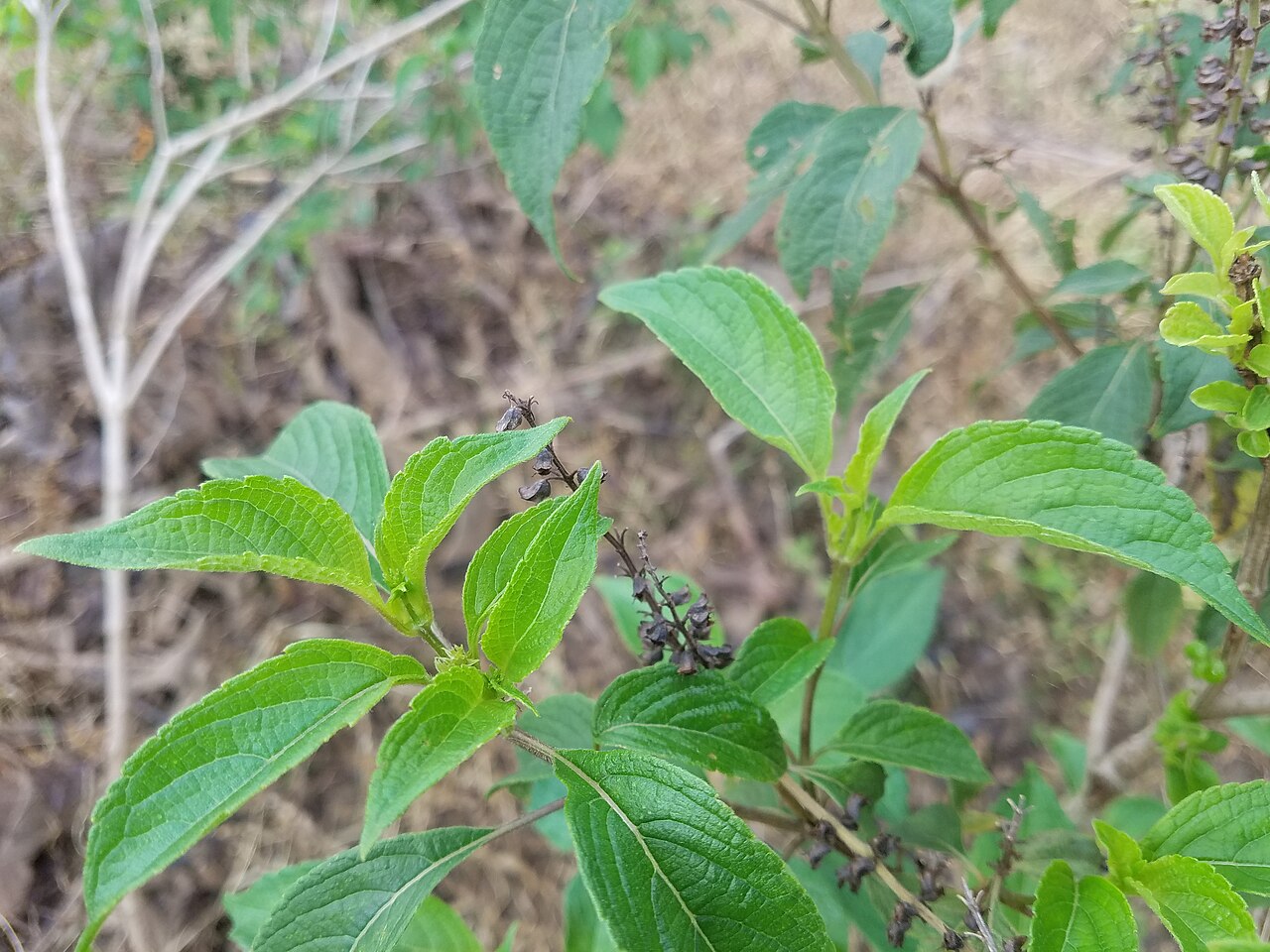
Cover: Jules Gros: Voyages, adventures et captivité de J. Bonnat chez les Achantis, Paris 1884 Public domain via Wikimedia Commons
Aduru, Sunsum, and the Healing Earth: Pre-Colonial Ghanaian Ethnomedicine
- Akan
- Ga-Adangbe
- Ewe
- Dagomba
- Ashanti
- traditional healers
- herbalism
- spirituality
- divination
- ethnomedicine
- indigenous knowledge
- pre-colonial history
Chapter 1
The Holistic Worldview: Foundations of Pre-Colonial Healing
In pre-colonial Ghana, the understanding of health and illness was profoundly shaped by a holistic worldview where the physical, spiritual, and social realms were inextricably linked. Unlike fragmented Western medical paradigms, indigenous healing systems viewed the human being not as a mere collection of organs but as an integral part of a larger cosmic order. This perspective, deeply embedded in the philosophical tenets of ethnic groups like the Akan, Ewe, and Ga-Adangbe, posited that well-being, or 'apomuden' in Akan, was a state of harmony with one's ancestors (Nsamanfo), deities (Abosom), and the natural environment.
Illness, therefore, was often interpreted as a manifestation of imbalance or a disruption of this harmony. It could be attributed to spiritual infringements, such as offending an ancestor or a deity, breaking a taboo, or even malevolent forces like witchcraft. Physical ailments, while recognized, were rarely treated in isolation; their root causes were sought in the spiritual or social dimensions of the patient's life. This necessitated a diagnostic approach that combined empirical observation of symptoms with divination and spiritual consultation, ensuring a comprehensive understanding of the patient's condition.
The concept of 'Sunsum' (spirit or soul) was central to this worldview, particularly among the Akan. It was believed that the Sunsum could be weakened, fragmented, or even targeted by negative energies, leading to physical or mental illness. Healing rituals often focused on strengthening, cleansing, or retrieving the Sunsum to restore the individual's vitality and connection to their spiritual essence. This profound integration of spirituality into healthcare meant that traditional medicine was not merely about administering remedies but about restoring balance to the entire person and their place within the community and cosmos.
Sources & References
- Konadu, Kwasi. 'Indigenous Medicine and Knowledge in African Societies.' Routledge, 2007.
- Field, M.J. 'Religion and Medicine of the Ga People.' Oxford University Press, 1937.
- Meyerowitz, Eva L.R. 'The Akan of Ghana: Their Ancient Beliefs.' Faber & Faber, 1958.
- Wilks, Ivor. 'Asante in the Nineteenth Century: The Structure and Evolution of a Political Order.' Cambridge University Press, 1975.
- Warren, Dennis M. 'The Akan of Ghana: An Overview of the Ethnographic Literature.' Ghana Publishing Corporation, 1986.