Keyboard shortcuts
- J: Next chapter
- K: Previous chapter
- T: Toggle table of contents
- Shift+S: Share book
- +: Increase font size
- -: Decrease font size
- Escape: Close modals
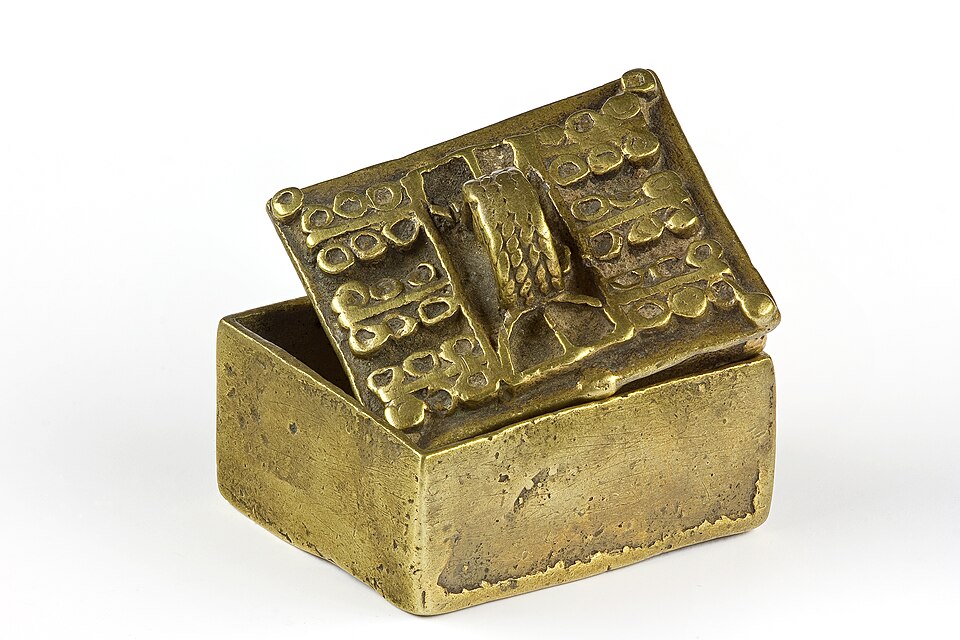
Echoes of Ancestors: Pre-Colonial Ghanaian Naming Ceremonies, Identity, and Spiritual Heritage
- Akan
- Ga-Adangbe
- Ewe
- Mole-Dagbani
- Naming Ceremonies
- Outdooring
- Day Names
- Spirituality
- Identity
- Ancestry
- Pre-Colonial Ghana
- Customary Law
Chapter 1
The Cosmic Fabric of Identity: Naming in Pre-Colonial Ghanaian Thought
In the philosophical universe of pre-colonial Ghana, a name was never merely a label — it was a spiritual contract between the visible and invisible worlds. The Akan concept of sunsum (spirit) held that every person entered the world carrying a kra (soul), bestowed by Onyame (God) before birth, and that the name given at the outdooring ceremony would align the child's earthly identity with their cosmic destiny. J.B. Danquah, in his seminal 1944 work 'The Akan Doctrine of God,' argued that naming among the Akan constituted 'the first act of social philosophy' — a moment when the community collectively negotiated the child's place in the moral order. This was not unique to the Akan: among the Ga, the kpodziemo ceremony similarly positioned naming as a threshold between the spirit world (gbomotso) and the physical world (adesa). The Ewe vihehedego ('child-stepping-into-the-world') carried parallel weight, with the Mawu Sogbolisa (dual-gendered Creator) invoked as witness. R.S. Rattray, during his extensive fieldwork in Ashanti between 1921 and 1929, documented how the Asantehene's court maintained specialist name-givers (din-hyirafo) who consulted oracles before naming royal children. Even the timing — eight days after birth among the Akan, seven among the Ga — reflected deep cosmological reasoning: the Akan believed that before the eighth day, the child's kra had not yet fully committed to the physical world, and the infant might return to the spirit realm. Only after this critical period could the community claim the child as its own.
About This Book
"Echoes of Ancestors" delves into the rich tapestry of pre-colonial Ghanaian naming ceremonies, demonstrating how these rituals were inextricably linked to identity formation, spiritual beliefs, and social cohesion. The book meticulously examines the diverse naming practices among the Akan (Ashanti, Fante, Akuapem), Ga-Adangbe, Ewe, Mole-Dagbani, and Guan peoples, highlighting both common threads and unique regional variations. It argues that naming was far more than a simple act of bestowing a label; it was a profound spiritual undertaking, a rite of passage that connected the newborn child to their lineage, ancestors, and the very essence of their being. The book explores the significance of different types of names – including kra din (soul names), sunsum din (day names), and family or clan names -- and their associated responsibilities. It details the meticulous consultations with lineage elders, priests, and diviners that often preceded the naming ceremony, ensuring that the chosen name resonated with the child's destiny and the family's spiritual well-being. A central focus is the ‘Outdooring’ ceremony -- *kpodziɛ* among the Ga-Adangbe, *dabodwira* among the Akan, *ŋlɔlɔ̃* among the Ewe -- a pivotal event where the infant is presented to the community and formally introduced to the spiritual world. The book analyzes the symbolism embedded within these ceremonies, from the use of water and salt (representing purity and prosperity) to the pronouncements made by elders, invoking blessings and guidance for the child's future. Furthermore, "Echoes of Ancestors" examines how the naming system served as a repository of historical memory and social values. Names often commemorated important events, honored ancestral figures, or reflected the family's social standing. The book also touches on the impact of the Atlantic slave trade on naming practices, as enslaved Africans often adopted new names or adapted their original names to survive in the diaspora, while also preserving the essence of their cultural heritage in subversive ways. Through detailed ethnographic accounts and historical analysis, the book reveals the enduring power of naming as a cornerstone of pre-colonial Ghanaian identity and spiritual heritage, offering invaluable insights into a complex and fascinating cultural landscape.
About the Author
The scholarship on pre-colonial Ghanaian naming ceremonies builds upon decades of dedicated research by historians, anthropologists, and linguists. Early contributions came from missionaries and colonial administrators who documented local customs, often with biases, but nevertheless providing invaluable primary source material. Scholars like Eva Meyerowitz, whose works on the Akan people are foundational, paved the way for more nuanced understandings of Akan cosmology and social structures. More recently, Ghanaian academics like Kwame Arhin, Kofi Asare Opoku, and Nana Arhin Brempong have played a crucial role in reclaiming and reinterpreting these traditions from an Afrocentric perspective, drawing on oral histories and indigenous knowledge systems. This book synthesizes these diverse sources, giving credit to the community elders and traditional authorities who safeguard and transmit this cultural heritage across generations. The continued work of institutions like the Institute of African Studies at the University of Ghana is vital in preserving and promoting the study of these traditions.
Key Themes
- Ancestral veneration
- Identity formation
- Spiritual cosmology
- Social cohesion
- Rite of passage
- Oral tradition
- Cultural continuity
Why This Matters
Understanding pre-colonial Ghanaian naming ceremonies is crucial for grasping the depth and complexity of Ghanaian and African heritage. It reveals a sophisticated system of social organization, spiritual belief, and cultural transmission that existed long before European contact. This knowledge is particularly relevant today as a means of reclaiming and celebrating African identity in the face of globalization and cultural homogenization. For the diaspora, understanding these traditions offers a powerful connection to their ancestral roots, providing insights into the meaning and significance of their own names and family histories. For students, this topic offers a compelling case study of the richness and diversity of African cultures, challenging Eurocentric narratives and promoting a more balanced and nuanced understanding of world history. The ceremonies underscore the African emphasis on personhood as communal, spiritual, and historical -- radically different from some Western individualistic philosophies.
Historical and Cultural Context
The pre-colonial naming ceremonies are deeply intertwined with other aspects of Ghanaian culture, such as ancestor veneration, traditional religion, and social hierarchy. The concept of *Sankofa* – looking back to learn from the past – is central to understanding the significance of these traditions. Within the broader context of the Sankofa Digital Heritage Library, this book complements other works on pre-colonial Ghanaian history, such as studies of Ashanti statecraft, traditional religion, and art. It also resonates with works on other African naming traditions, highlighting both the diversity and the common threads that connect African cultures across the continent. Further, understanding the *abosom* (deities) of the Akan and other groups provides essential context for the spiritual underpinning of these ceremonies.
Sources & References
- Rattray, R. S. (1927). Religion and Art in Ashanti. Oxford University Press.
- Rattray, R. S. (1923). Ashanti. Clarendon Press.
- Field, M. J. (1937). Religion and Medicine of the Ga People. Oxford University Press.
- Danquah, J. B. (1928). Akan Laws and Customs. Routledge.
- Meyerowitz, E. L. R. (1951). The Sacred State of the Akan. Faber and Faber.
- Wilks, Ivor. (1975). Asante in the Nineteenth Century. Cambridge University Press.
- Fortes, Meyer. (1949). The Web of Kinship among the Tallensi. Oxford University Press.
- Nukunya, G. K. (2003). Tradition and Change in Ghana: An Introduction to Sociology. Ghana Universities Press.