Keyboard shortcuts
- J: Next chapter
- K: Previous chapter
- T: Toggle table of contents
- Shift+S: Share book
- +: Increase font size
- -: Decrease font size
- Escape: Close modals
Echoes of Wisdom: The Pre-Colonial Origins and Enduring Philosophy of Adinkra Symbols
- Adinkra
- Asante Kingdom
- Gyaman Kingdom
- Akan Culture
- Symbolism
- Textile Art
- Oral Tradition
- Cultural Heritage
- Philosophy
- Ghana History
Chapter 1
The Visual Lexicon of Akan Thought: An Introduction to Adinkra
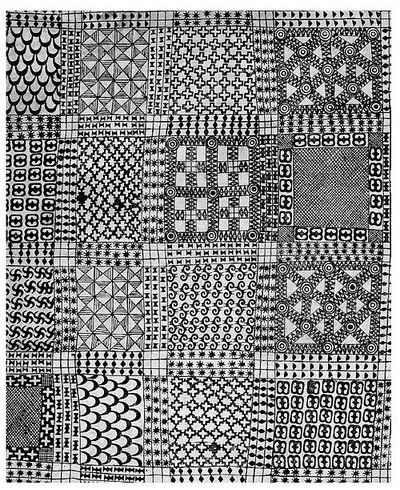
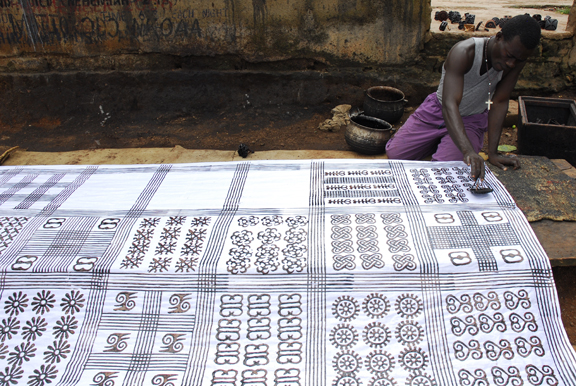
Before the written word took hold in West Africa, the Akan people developed one of the world"s most sophisticated systems of visual communication: Adinkra symbols. These are not mere decorations. Each symbol encapsulates a proverb, a philosophical concept, or a spiritual truth, forming what scholars have called a "visual lexicon" of Akan thought. As the philosopher Kwame Anthony Appiah wrote, Adinkra symbols were one of the means for "supporting the transmission of a complex and nuanced body of practice and belief."
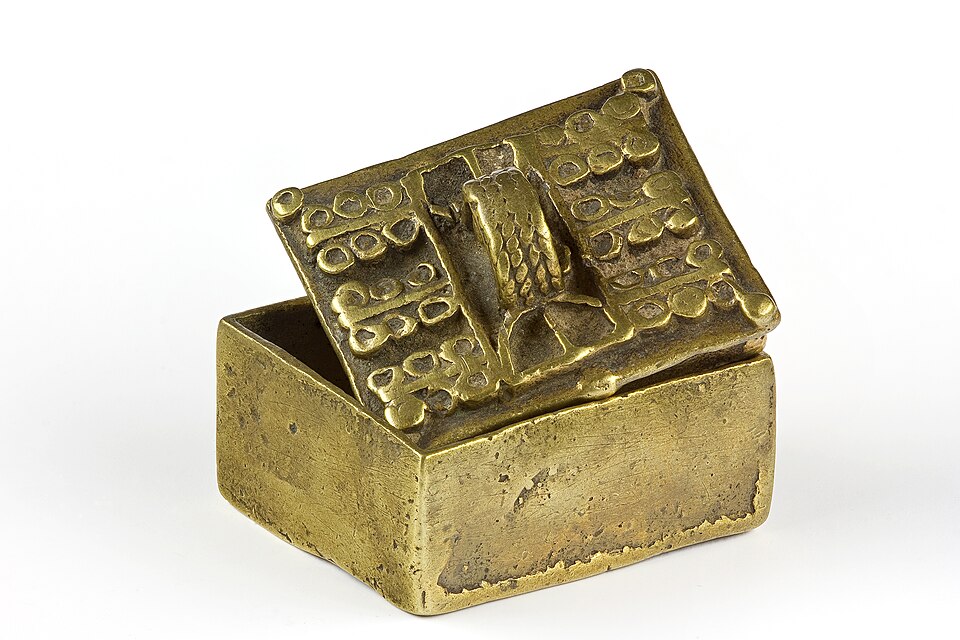
Today, over 80 distinct Adinkra symbols have been catalogued, though the total number, including regional variations, may exceed 120. They appear on cloth, pottery, walls, goldweights, royal stools, and increasingly on modern items from corporate logos to tattoos. The most widely recognized is Gye Nyame ("Except God"), a symbol expressing the omnipotence and supremacy of God. It appears on Ghana"s highest denomination banknote, the 200-cedi note, and on the crests of the University of Cape Coast and the Catholic University College.
But to understand Adinkra, one must go beyond the modern ubiquity of these symbols and trace them back to their origins: to the courts of Akan kingdoms, the workshops of Ntonso village near Kumasi, and a fateful war between the Ashanti Empire and the Kingdom of Gyaman in the early nineteenth century.
About This Book
"Echoes of Wisdom: The Pre-Colonial Origins and Enduring Philosophy of Adinkra Symbols" delves into the genesis and significance of Adinkra symbols within the Akan world, specifically focusing on the Asante and Bono regions before British colonization. The book challenges the common perception of Adinkra as mere textile designs, arguing instead that they represent a complex and sophisticated system of communication and knowledge preservation. The book traces the evolution of Adinkra from its probable origins in the Gyaman kingdom, centered in present-day Côte d'Ivoire, to its widespread adoption and adaptation within the Asante Empire. It explores the traditional story of Nana Kwadwo Agyeman Adinkra, a Gyaman king whose defeat by the Asantehene Osei Bonsu led to the introduction of Adinkra cloth and its associated symbolic language to Kumasi. The book critically examines the nuances of this narrative, separating historical fact from legend. Each chapter is dedicated to unpacking the meanings and applications of select Adinkra symbols, such as *Gye Nyame* (Supremacy of God), *Adinkrahene* (Chief of the Adinkra), *Dwennimmen* (Ram's Horns), *Mframadan* (Wind Resistant House) and *Bi Nka Bi* (No one should bite the other). The reader will learn about the socio-political context in which these symbols emerged, their use in royal regalia, religious ceremonies, and everyday life, demonstrating the pervasive influence of Adinkra philosophy on Akan thought and behavior. The book also addresses the ethical framework embedded within Adinkra, such as the emphasis on justice, peace, unity and responsibility to oneself and one's community. It sheds light on how Adinkra acted as a form of customary law and moral code. Furthermore, the book investigates the methods by which Adinkra knowledge was transmitted -- through oral tradition, apprenticeship with master artisans, and integration into Akan education -- illustrating how this visual language functioned as a key component of cultural continuity. The reader gains insight into how Adinkra provided a framework for understanding the world and navigating social relationships. The book concludes by emphasizing the enduring legacy of Adinkra, demonstrating its continued relevance in contemporary Ghanaian society and its global impact as a symbol of African heritage and cultural identity.
About the Author
This work draws upon a rich tradition of scholarship by both Akan scholars and international researchers dedicated to preserving and interpreting Ghanaian cultural heritage. Key figures like R.S. Rattray, whose early 20th-century ethnographic studies laid foundational groundwork for understanding Asante culture and religion, have been instrumental in documenting the context surrounding Adinkra. More contemporary scholars such as Dr. Boateng Mpiani and Professor Kwame Arhin, both prominent Akan intellectuals, have contributed significantly to our understanding of Asante history, political systems, and the significance of visual culture like Adinkra. The research also incorporates the work of anthropologists and art historians who have studied the symbolism and artistic techniques involved in creating Adinkra cloth. This synthesis of indigenous knowledge and academic research ensures a nuanced and comprehensive examination of Adinkra's origins and enduring relevance. The preservation and promotion of this cultural heritage are deeply intertwined with the legacy of pan-African intellectuals who advocated for the study and celebration of African traditions.
Key Themes
- Akan philosophy
- Visual communication
- Cultural preservation
- Pre-colonial Asante
- Symbolic language
- Moral education
Why This Matters
Adinkra symbols offer a powerful lens through which to understand pre-colonial Akan society, providing insight into its complex social structures, ethical frameworks, and sophisticated systems of knowledge transmission. By studying Adinkra, we gain a deeper appreciation for the intellectual and artistic achievements of the Asante and Bono peoples, countering colonial narratives that often marginalized African contributions to global civilization.
For the diaspora, Adinkra provides a tangible connection to their ancestral heritage, offering a sense of belonging and cultural identity. Understanding the meanings behind these symbols allows individuals to reclaim and celebrate their African roots. For students, Adinkra presents a unique opportunity to engage with African history and philosophy in a dynamic and accessible way, fostering critical thinking skills and promoting cross-cultural understanding. The study of Adinkra is not simply an academic exercise; it is an act of cultural reclamation and a celebration of African ingenuity.
Historical and Cultural Context
The study of Adinkra resonates with broader themes in African history, particularly the resilience of indigenous knowledge systems in the face of colonialism. Adinkra cloth, alongside other forms of African visual art like Nok terracotta or Benin bronze casting, represents a sophisticated pre-colonial intellectual and artistic tradition. In the Sankofa Digital Heritage Library, Adinkra finds its place alongside resources documenting Akan oral traditions, political systems, and religious beliefs, offering a holistic view of pre-colonial Akan society. Understanding Adinkra also provides context for understanding similar symbolic systems found in other parts of Africa, highlighting the diversity and richness of African cultural heritage.
Sources & References
- Appiah, Kwame Anthony. In My Father"s House: Africa in the Philosophy of Culture. Oxford University Press, 1992.
- Arthur, G.F.K., and Robert Rowe. "Akan Cultural Symbolism." ICCROM Working Paper, 2001.
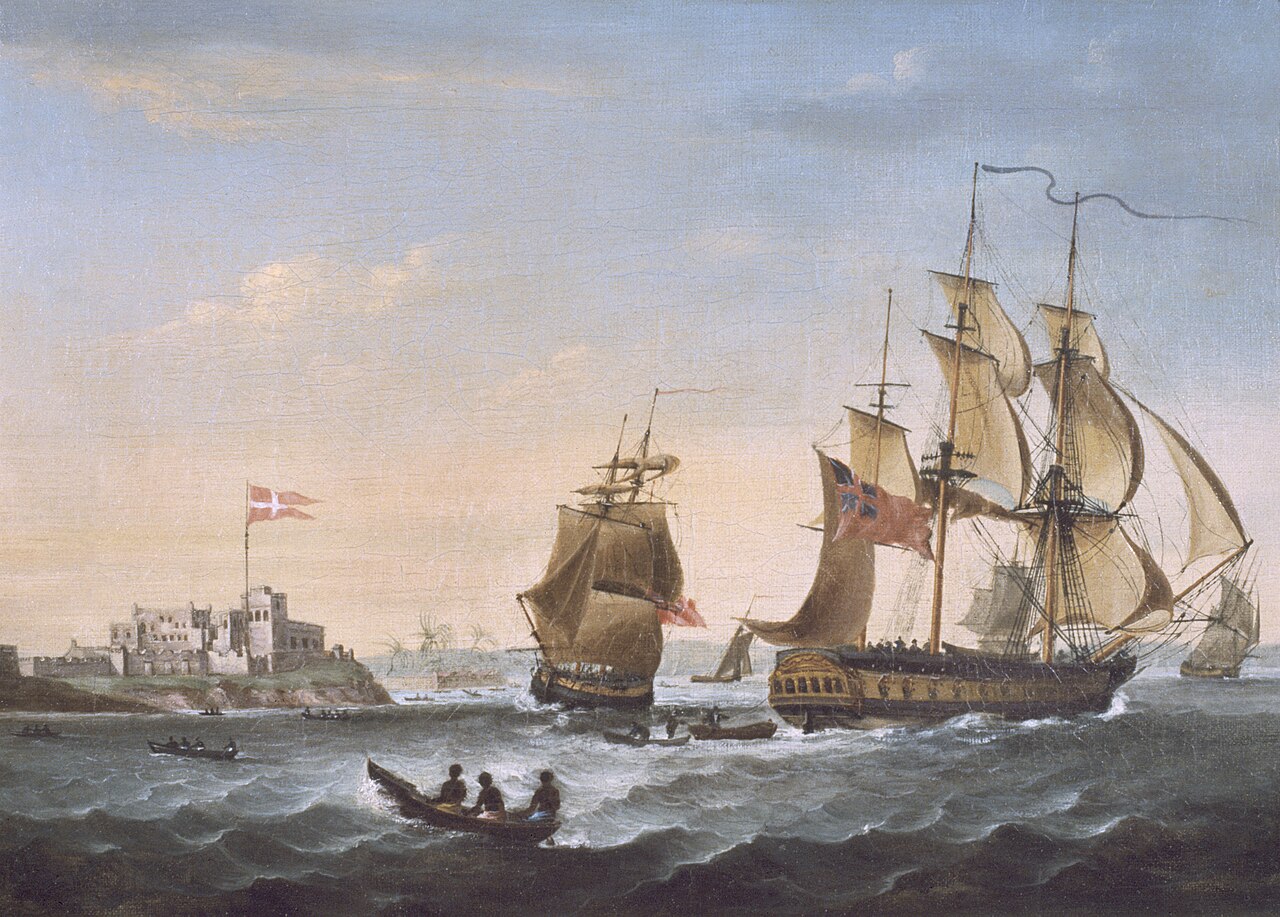
- Bowdich, Thomas Edward. Mission from Cape Coast Castle to Ashantee. John Murray, London, 1819.
- Wikipedia contributors. "Adinkra symbols." Wikipedia, The Free Encyclopedia.
- AdinkraSymbols.org. "Adinkra Symbols & Meanings: A Complete Guide."
- DoorEdasi. "Origin and Spread of Adinkra Symbols." 2024.
- The Akan Index. "Adinkra Origins."